
Call Us For Easy
Confidential Assistance
503-506-0101
It only takes 5 minutes to get started
Confidential Cocaine Addiction Treatment: A Guide for Portland Professionals
Posted on: April 4th, 2026 by writer

Table of Contents
- The Executive’s Drug: Understanding Cocaine’s Appeal in High-Pressure Environments
- The Cost of Silence: Why High-Functioning Professionals Avoid Treatment
- Beyond Willpower: Evidence-Based Therapies That Work for Executive Recovery
- Sanctuary and Structure: Why Private, Acreage-Based Treatment Works for Executives
- Your Recovery, Your Terms: What Confidential Treatment Looks Like
- Final Thoughts
Picture this: A successful Portland attorney meticulously preparing for a major trial, a tech executive pushing through the night before a critical product launch, or a surgeon managing consecutive shifts at one of Oregon’s understaffed hospitals. What do they have in common? They’re all turning to cocaine—not for recreation, but as a desperate attempt to maintain the impossible standards of high-performance professional life.
This isn’t the addiction narrative we typically hear. These aren’t people who’ve “hit rock bottom” in the traditional sense. They’re billing 2,000 hours a year, closing million-dollar deals, and saving lives. Yet beneath the polished exterior lies a dangerous reality: over 60% of adults with substance use disorders are employed full-time, completely dismantling the myth that addiction only affects the unemployed or socially marginalized.

In Oregon, the concern is particularly acute. Approximately 2.2% of Oregon adults reported past-year cocaine use—slightly above the national average. More alarming is the dangerous trend of fentanyl-laced cocaine flooding the market, transforming what professionals might view as “controlled use” into a potentially fatal gamble.
Yet despite these stark realities, high-functioning professionals delay treatment for one overwhelming reason: fear. Fear of reputational destruction, loss of professional licensure, and the absence of truly confidential treatment options. The cost of seeking help, they believe, might be their entire career.
This article explores why Portland’s executives and professionals are uniquely vulnerable to cocaine addiction, the critical importance of absolute confidentiality in treatment, and how private, evidence-based care at facilities like Pacific Ridge offers a path to recovery that preserves rather than destroys professional standing.
The Executive’s Drug: Understanding Cocaine’s Appeal in High-Pressure Environments
Cocaine didn’t become the “executive’s drug” by accident. Its neurochemical effects make it appear—initially—to be the perfect solution to the impossible demands of professional life. By blocking dopamine reuptake in the brain, cocaine creates temporary hyper-focus, boundless energy, and an artificial confidence that feels essential for high-stakes decision-making.
For Portland professionals specifically, several industry-specific stressors create the perfect storm for stimulant dependency:
Portland’s Growing Tech Hub creates relentless pressure. Companies like Intel and Nike’s digital divisions demand constant innovation. The “hustle culture” glorifies 80-hour weeks and treats sleep as a luxury rather than a necessity. Cocaine becomes the chemical crutch that makes the unsustainable seem sustainable.
Oregon’s Healthcare Crisis compounds the problem for medical professionals. The state faces a significant physician shortage, forcing doctors and nurses into chronic overwork and severe burnout. When you’re responsible for lives and working consecutive shifts, cocaine’s promise of alertness becomes dangerously tempting.
The Legal Profession’s Brutal Economics drive attorneys to unsustainable billable hour requirements. High-profile litigation demands, partnership pressures, and the adversarial nature of legal work create an environment where artificial performance enhancement seems like competitive necessity rather than dangerous dysfunction.

The neurobiological trap is what transforms occasional use into dependency. Cocaine’s temporary dopamine spike comes at a devastating cost: it depletes the brain’s natural reward system. What begins as functional use—an occasional boost before a big presentation—becomes physiological necessity as the brain downregulates dopamine receptors. The user now needs cocaine just to feel normal, let alone exceptional.
The Illusion of Control: Professionals maintain outward success—their families remain intact, their bank accounts healthy, their professional reputations untarnished. This external stability becomes evidence that they don’t have a “real problem,” allowing denial to flourish even as dependency deepens.
The performance paradox is brutally simple: cocaine initially delivers on its promises. Focus sharpens. Energy surges. Confidence soars. But with each use, the brain adapts, requiring more cocaine to achieve the same effect while simultaneously making it impossible to function normally without it. The executive who started using to gain a competitive edge now uses just to keep up with their baseline performance—a baseline that’s rapidly deteriorating under the weight of chronic stimulant abuse.
The Cost of Silence: Why High-Functioning Professionals Avoid Treatment

Understanding why Portland’s most successful professionals avoid treatment requires understanding the unique barriers they face—barriers that have nothing to do with cost or access and everything to do with identity, reputation, and systemic structures that punish vulnerability.
Stigma and Professional Identity
For individuals who’ve built their entire identity around achievement, competence, and control, the label “addict” represents existential threat. Executives worry—often correctly—that revealing substance use will destroy credibility, cost them board positions, or derail partnership tracks. The professional who admits to cocaine addiction, they fear, will forever be defined by that admission rather than by their decades of accomplishment.
Licensure and Legal Consequences
Medical professionals face Medical Board scrutiny that can result in license suspension or mandatory monitoring programs that some perceive as career death sentences. Attorneys worry about State Bar disciplinary actions that could end their ability to practice law. As one study noted: “Professionals often perceive treatment-seeking as career suicide rather than career preservation”—a perception that, while often inaccurate, effectively prevents help-seeking until crisis forces the issue.
Understanding 42 CFR Part 2: Your Legal Shield
While standard HIPAA regulations provide baseline privacy protections, high-profile professionals worry—again, often correctly—that these protections feel insufficient. Who has access to their treatment records? Can employers find out? What about licensing boards?
This is where understanding 42 CFR Part 2 becomes critically important. These federal regulations provide stricter confidentiality specifically for substance use disorder treatment—information cannot be disclosed without explicit, written consent. As the regulation explicitly states: “Under 42 CFR Part 2, even the fact that a patient is receiving treatment cannot be disclosed without highly specific written authorization.”
What 42 CFR Part 2 Means for You:
- Your employer cannot legally be notified without your permission
- Your licensing board cannot access records without explicit consent
- The treatment itself remains completely confidential unless you choose otherwise
- These protections go beyond standard HIPAA requirements
The “Portland Fishbowl Effect”
Portland, while growing, remains a mid-sized metropolitan area where professional networks overlap extensively. The attorney trying a case today might be opposing the judge’s golfing partner. The physician treating patients works with nurses whose spouses are tech executives. This interconnectedness means urban treatment facilities—visible, accessible, located in downtown Portland—feel impossibly risky. The professional fears being recognized entering or leaving, turning their private struggle into public knowledge overnight.
These barriers, taken together, create a powerful force that keeps high-functioning professionals suffering in silence. Stigma remains the single greatest barrier to treatment engagement, with professionals reporting that fears of reputation loss outweigh health concerns—even when they intellectually recognize that their cocaine use is destroying the very career they’re trying to protect.
Beyond Willpower: Evidence-Based Therapies That Work for Executive Recovery
One of the most important truths about cocaine addiction treatment is this: unlike opioid use disorder, there is currently no FDA-approved medication-assisted treatment for cocaine addiction. This reality makes behavioral interventions not just important but absolutely essential—they represent the gold standard, the proven path to recovery.
For executives and professionals, this actually represents an advantage. The evidence-based behavioral therapies for cocaine addiction align perfectly with the structured, goal-oriented, achievement-focused mindset that defines high-functioning individuals.
Cognitive Behavioral Therapy (CBT)
CBT stands as the most extensively studied therapy for stimulant disorders. CBT helps professionals identify the specific triggers that precipitate cocaine use—the board meeting that induces anxiety, the trial preparation that demands impossible focus, the product launch that requires superhuman stamina—and develop adaptive coping mechanisms to replace cocaine use.
What makes CBT particularly effective for executives is its framework. It’s not vague or mystical. It’s structured, skills-based, and measurable. Professionals learn to recognize distorted thinking patterns, challenge maladaptive beliefs, and implement concrete behavioral strategies. It appeals to the analytical mind that built their career success in the first place.
Contingency Management (CM)
CM represents perhaps the most effective behavioral therapy currently available for reducing stimulant use. CM operates on a simple but powerful principle: provide tangible rewards for negative drug screens through a voucher-based incentive system.
Clinical evidence is compelling: CM has shown significant reductions in cocaine use across multiple randomized controlled trials. One comprehensive study noted: “CM is currently the most effective behavioral therapy for reducing stimulant use.”
For achievement-oriented professionals, CM’s effectiveness makes intuitive sense. It aligns with the reward-focused neurological pathways that attracted them to cocaine in the first place, but redirects those pathways toward recovery rather than use. The tangible rewards for negative tests create measurable progress—something executives understand and value deeply.
The Matrix Model
The Matrix Model offers a comprehensive framework that combines CBT, family education, relapse prevention strategies, and peer support. Developed specifically for stimulant abuse treatment, the Matrix Model provides the structured, multi-faceted approach that professionals need. It’s not just addressing the cocaine use in isolation—it’s addressing the lifestyle, relationships, stress management, and underlying issues that contributed to dependency in the first place.

The Physician Health Program Model: Proof of Concept
The success of specialized professional treatment is perhaps best demonstrated through Physician Health Programs (PHPs)—confidential, specialized programs designed specifically for medical professionals with substance use disorders. A comprehensive five-year longitudinal study examined physicians treated through these programs and found remarkable outcomes:
- 78% remained completely substance-free over the entire 5-year follow-up period
- 71% retained their medical licenses and employment
Key Takeaway: When high-functioning individuals engage in discrete, specialized treatment that understands their unique needs and maintains absolute confidentiality, their prognosis for long-term recovery without career destruction is exceptionally high.
These programs work not because physicians are somehow different from other professionals, but because the treatment model recognizes and addresses the specific barriers professionals face. The same principles—peer-matched cohorts, absolute confidentiality, evidence-based therapies, and return-to-work planning—translate directly to executives, attorneys, and other high-functioning individuals seeking recovery.
Sanctuary and Structure: Why Private, Acreage-Based Treatment Works for Executives

Not all treatment facilities are created equal—particularly for professionals whose careers depend on discretion and whose recovery benefits from environments fundamentally different from the high-stress urban settings that contributed to their addiction.
Geographic Discretion
Pacific Ridge’s location on private acreage in Oregon’s Mid-Willamette Valley—approximately an hour from Portland—provides the critical distance professionals need. It’s far enough from Portland’s “fishbowl” to eliminate the risk of being recognized entering or exiting a facility, yet close enough to remain accessible for family visits and professional obligations that can’t be entirely abandoned.
This geographic positioning isn’t just about convenience—it’s about making treatment psychologically possible. The executive who would never walk into a downtown Portland facility will make the hour drive to private acreage where their anonymity is protected not just by regulations but by physical distance.
Environmental Psychology and Ecotherapy
Research demonstrates that nature-based treatment significantly reduces psychological distress and actively supports neurological recovery from stimulant abuse. One comprehensive study found that participants in nature-immersive settings showed significant reductions in cortisol levels and improved cognitive function compared to urban clinical environments.
Nature promotes parasympathetic nervous system activation—the body’s “rest and digest” response—which is essential for counteracting the chronic hyperarousal caused by stimulant use and the high-stress professional environments that contributed to addiction.
For the executive whose nervous system has been in fight-or-flight mode for years—first from workplace demands, then from cocaine use, then from the combination of both—the nervous system reset that nature provides isn’t luxury. It’s neurological necessity.
Peer-Matched Treatment Cohorts
Unlike traditional facilities with diverse patient populations including court-mandated individuals, executive-focused programs create cohorts of voluntary professionals with shared experiences. The attorney in treatment isn’t sharing group therapy with someone court-ordered after a DUI—they’re working alongside other professionals who understand the unique pressures of high-stakes careers.
This peer matching reduces stigma and enhances therapeutic alliance. Professionals can speak candidly about their experiences without worrying about judgment or misunderstanding. The shared context accelerates trust-building and allows for more honest engagement with treatment.
Absolute Confidentiality
Pacific Ridge adheres to 42 CFR Part 2 regulations, providing legal protections beyond standard HIPAA. This means explicit guarantee: no information disclosed to employers, licensing boards, or professional organizations without written consent.
For professionals, this isn’t a minor detail—it’s the difference between treatment being possible or impossible. The knowledge that their employer cannot legally be notified, that their licensing board cannot access records without explicit permission, that the simple fact of their treatment remains confidential—this knowledge removes the primary barrier preventing help-seeking.
| Feature | Traditional Urban Rehab | Pacific Ridge (Executive-Focused) |
|---|---|---|
| Location | Downtown Portland, high visibility | Private acreage, 1 hour from Portland |
| Environment | Clinical, hospital-like | Nature-immersive, ecotherapy integrated |
| Patient Mix | Diverse, including court-mandated | Voluntary, professional cohorts |
| Confidentiality | Standard HIPAA | 42 CFR Part 2 + HIPAA protections |
| Affordability | High out-of-pocket or long state waitlists | Private insurance + affordable private pay |
The combination of these elements—geographic discretion, therapeutic environment, peer matching, and absolute confidentiality—creates a treatment model specifically designed for high-functioning professionals. It addresses not just the addiction itself but the unique barriers that prevent executives from seeking help in the first place.
Your Recovery, Your Terms: What Confidential Treatment Looks Like
Understanding the treatment process removes fear and uncertainty. For Portland professionals considering recovery, here’s what confidential treatment at Pacific Ridge actually entails:
Initial Confidential Consultation
Treatment begins with a phone or secure video consultation with clinical staff. This initial conversation is pressure-free and judgment-free—an assessment designed to understand your specific situation, answer questions about the treatment process, and verify insurance benefits discreetly. No information is shared with anyone without your explicit permission.
Customized Treatment Planning
Not all professionals have identical needs or circumstances. Some may benefit from shorter intensive programs that allow quicker return to professional responsibilities. Others need longer residential stays to address co-occurring mental health issues or to create sufficient distance from high-stress environments. Treatment planning is collaborative, flexible, and designed around your specific situation.
The integration of evidence-based therapies—CBT for identifying triggers and developing coping strategies, Contingency Management for providing structured incentives, and the Matrix Model for comprehensive support—creates a multi-faceted approach proven effective for stimulant use disorders.
Ongoing Professional Support
Discharge planning includes specific strategies for returning to high-pressure professional roles without relapse. How do you manage the first major trial without cocaine? What coping mechanisms replace the stimulant when facing impossible deadlines? How do you rebuild trust with colleagues who may have noticed behavioral changes?
Alumni programs and aftercare tailored specifically for professionals provide ongoing support. You’re not navigating recovery alone—you’re part of a community of professionals who understand the unique challenges of maintaining sobriety while managing high-stakes careers.
Return to Work
Treatment success is measured not just by sobriety but by restoration of professional functioning. The success rates mirror those of Physician Health Programs: most professionals return to full employment with licenses intact, careers preserved rather than destroyed by the treatment process.
Remember: This isn’t about sacrificing your career for recovery—it’s about preserving your career through recovery. The alternative—continuing cocaine use while hoping willpower alone will eventually work—almost inevitably leads to the career destruction you’re trying to avoid.
Final Thoughts
Recovery isn’t career suicide. It’s career preservation.
When high-functioning professionals engage in specialized, confidential treatment, they achieve a 78% long-term recovery rate while retaining their professional standing. These aren’t anomalies—they’re the expected outcome when treatment is designed to address the specific needs and barriers professionals face.
Seeking help for cocaine addiction requires acknowledging vulnerability—something achievement-oriented cultures actively discourage. But Portland’s most successful professionals didn’t build their careers by ignoring critical problems. They identified challenges, sought expert guidance, and implemented evidence-based solutions. Cocaine addiction is no different.
Oregon’s growing problem with fentanyl-laced cocaine makes delay increasingly dangerous. What professionals might view as “controlled use” is now Russian roulette—cocaine supplies contaminated with fentanyl are killing users who have no opioid tolerance and no warning that their stimulant of choice contains a potentially lethal adulterant.
The path forward exists. Private, evidence-based treatment that provides absolute confidentiality, peer-matched cohorts, and proven therapeutic interventions offers recovery that preserves rather than destroys professional standing. The question isn’t whether recovery is possible—the evidence demonstrates it is. The question is whether you’re ready to take the first step.
Your Career Doesn’t Have to Be the Cost of Recovery
Contact Pacific Ridge today for a confidential consultation. No information will be shared without your explicit permission. The conversation itself is confidential—the first step toward recovery that works.
Call: (503) 847-7337
References:
- Substance Abuse and Mental Health Services Administration (SAMHSA). (2023). 2022 National Survey on Drug Use and Health (NSDUH) State Prevalence Estimates. Retrieved from https://www.samhsa.gov/data/report/2022-nsduh-state-prevalence-estimates
- Substance Abuse and Mental Health Services Administration (SAMHSA). (2023). Key Substance Use and Mental Health Indicators in the United States: Results from the 2022 NSDUH. Retrieved from https://www.samhsa.gov/data/report/2022-nsduh-annual-national-report
- Oregon Health Authority (OHA). (2023). Oregon Overdose Data and Public Health Alerts: Fentanyl Adulteration. Retrieved from https://www.oregon.gov/oha/ph/preventionwellness/substanceuse/opioids/pages/index.aspx
- National Institute on Drug Abuse (NIDA). (2023). What is Cocaine? Research Report. Retrieved from https://nida.nih.gov/publications/research-reports/cocaine/what-cocaine
- National Institutes of Health (NIH), National Library of Medicine. (2020). Stigma and Substance Use Disorders: A Clinical Review. Retrieved from https://www.ncbi.nlm.nih.gov/pmc/articles/PMC7314546/
- U.S. Department of Health and Human Services (HHS). (2024). Substance Use Confidentiality Regulations (42 CFR Part 2). Retrieved from https://www.hhs.gov/hipaa/for-professionals/special-topics/substance-use/index.html
- National Institutes of Health (NIH), National Library of Medicine. (2018). The psychological and physical benefits of nature-based interventions for mental health. Retrieved from https://www.ncbi.nlm.nih.gov/pmc/articles/PMC5792010/
- National Center for Biotechnology Information (NCBI). (2014). Substance Abuse Treatment: Group Therapy – Chapter 2: The Therapeutic Milieu. Retrieved from https://www.ncbi.nlm.nih.gov/books/NBK64214/
- National Institute on Drug Abuse (NIDA). (2021). Are there effective treatments for cocaine use disorder? Retrieved from https://nida.nih.gov/publications/research-reports/cocaine/what-treatments-are-effective-cocaine-abusers
- National Institutes of Health (NIH). (2022). Contingency Management: An Evidence-Based Treatment for Stimulant Use Disorder. Retrieved from https://www.ncbi.nlm.nih.gov/pmc/articles/PMC9345151/
- Substance Abuse and Mental Health Services Administration (SAMHSA). (2020). The Matrix Model: Intensive Outpatient Alcohol and Drug Treatment. Retrieved from https://store.samhsa.gov/product/matrix-model-intensive-outpatient-alcohol-and-drug-treatment/sma15-4152
- Journal of Substance Abuse Treatment (via NCBI). (2009). Setting the standard for recovery: Physicians’ Health Programs. Retrieved from https://www.ncbi.nlm.nih.gov/pmc/articles/PMC2629555/
Posted in Treatment
Are you looking for help?
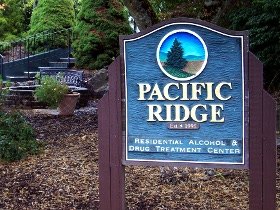
Pacific Ridge is a residential drug and alcohol treatment facility about an hour from Portland, Oregon, on the outskirts of Salem. We’re here to help individuals and families begin the road to recovery from addiction. Our clients receive quality care without paying the high price of a hospital. Most of our clients come from Oregon and Washington, with many coming from other states as well.
Pacific Ridge is a private alcohol and drug rehab. To be a part of our treatment program, the client must voluntarily agree to cooperate with treatment. Most intakes can be scheduled within 24-48 hours.
Pacific Ridge is a State-licensed detox and residential treatment program for both alcohol and drugs. We provide individualized treatment options, work closely with managed care organizations, and maintain contracts with most insurance companies.
Quick links
Recent Posts
- Confidential Cocaine Addiction Treatment: A Guide for Portland Professionals
- Dual Diagnosis Rehab Near Salem: Treating Alcoholism and Depression Together
- Meth Addiction Treatment for Eugene Residents: The Willamette Valley Healing Advantage
- Finding a Private Fentanyl Detox Center Near Portland: Why Leaving the City Helps Recovery
Contact Us
Pacific Ridge- 1587 Pacific Ridge Ln SE
Jefferson, OR 97352 - Email:
[email protected] - Phone:
503-506-0101 - Fax:
503-581-8292

- Copyright © 2026 Pacific Ridge - All Rights Reserved. Web Design & SEO by Lithium
- Follow us on