
Call Us For Easy
Confidential Assistance
503-506-0101
It only takes 5 minutes to get started
Finding a Private Fentanyl Detox Center Near Portland: Why Leaving the City Helps Recovery
Posted on: March 14th, 2026 by writer

Table of Contents
- The Perfect Storm: How Portland’s Drug Crisis Creates Recovery Barriers
- Understanding Cue-Reactivity: How Your Environment Hijacks Your Recovery
- The Data Speaks: Why Secluded Residential Detox Outperforms Urban Treatment
- Fentanyl Isn’t Heroin: Why This Drug Requires Specialized Detoxification
- Case Studies: How Geographic Distance Transforms Recovery Outcomes
- Final Reflections
In January 2024, an unprecedented moment occurred in Oregon’s battle against addiction: the state of Oregon, Multnomah County, and the city of Portland jointly declared a 90-day state of emergency to address the fentanyl crisis. This rare tri-governmental declaration underscored a grim reality—Portland had become ground zero for synthetic opioid devastation, with public consumption reaching levels that threatened public health infrastructure itself. The numbers tell a harrowing story. Between 2019 and 2023, synthetic opioid overdose deaths in Oregon surged by over 600%, with Multnomah County bearing the heaviest burden of these fatalities. For Portland residents attempting recovery, however, the crisis presents a paradox: the very city where they seek help has become saturated with environmental triggers that undermine sobriety efforts. Familiar street corners, open-air drug markets, and the constant accessibility of fentanyl transform Portland from a place of healing into a landscape of relapse. This article explores a clinically-supported solution that’s gaining recognition among addiction specialists: choosing a private, secluded detoxification center outside Portland—particularly in therapeutic environments like the Willamette Valley. We’ll examine the neurobiology of environmental triggers, compare urban versus rural detox outcomes, unpack the unique clinical challenges of fentanyl withdrawal, and present real-world evidence demonstrating why geographic distance can mean the difference between relapse and recovery. Understanding these factors isn’t just academic—for someone struggling with fentanyl addiction, this knowledge could be lifesaving.
The Perfect Storm: How Portland’s Drug Crisis Creates Recovery Barriers
The January 2024 emergency declaration wasn’t issued lightly. Officials responded to an escalating public health catastrophe characterized by widespread outdoor drug consumption, overwhelmed emergency services, and neighborhoods where fentanyl deals occurred in broad daylight. This wasn’t merely a policy statement—it was an acknowledgment that Portland’s urban environment had fundamentally changed in ways that complicate recovery efforts.

Several factors have converged to create this perfect storm. Street prices for fentanyl have dropped dramatically, making the drug more accessible than ever before. Oregon’s Measure 110, which initially decriminalized drug possession, combined with subsequent legislative adjustments through HB 4002, created a period where public drug use became normalized in certain Portland neighborhoods. While policy intentions aimed at harm reduction, the unintended consequence for someone attempting sobriety became clear: visual reminders of drug use appeared on nearly every downtown block. For a person in early recovery, these aren’t just uncomfortable encounters—they’re neurological landmines. Walking past a familiar alley where they once purchased drugs, hearing certain sounds associated with previous use, or even experiencing the specific stress patterns of urban navigation can trigger involuntary cravings that feel insurmountable. The brain doesn’t distinguish between seeing drug use and remembering it; both activate the same neural pathways that drive relapse.
This environmental saturation explains why families increasingly look beyond city limits when seeking effective detoxification options.
Understanding Cue-Reactivity: How Your Environment Hijacks Your Recovery
The phenomenon of environmental triggers in addiction recovery has a name in neuroscience: cue-reactivity. Understanding this mechanism reveals why simply leaving Portland can dramatically improve treatment outcomes. The brain’s mesolimbic dopamine system—often called the reward pathway—creates powerful associations between drug euphoria and the environmental context in which it occurred. When someone uses fentanyl repeatedly in specific locations, their brain forms what neuroscientists call “conditioned responses.” The neighborhood itself becomes wired into the addiction circuit. This isn’t willpower failing; it’s classical conditioning operating at a neurological level.
What Happens in Your Brain When You Encounter Environmental Triggers
Here’s what happens in the brain of a Portland resident walking through a neighborhood where they previously purchased fentanyl:
- The visual cues—street corners, buildings, even lighting conditions—trigger the amygdala, the brain’s emotional memory center.
- The amygdala signals an anticipated reward, causing a dopamine spike.
- This creates intense craving, followed by a dopamine crash that manifests as psychological and physical discomfort.
- The prefrontal cortex, responsible for rational decision-making and impulse control, attempts to override these signals.
- But the amygdala’s response is involuntary and often overwhelming, particularly during early recovery when neural pathways are still deeply grooved toward seeking relief.
Research demonstrates that these environmental cues can trigger cravings even in individuals with prolonged periods of abstinence. The brain’s association between place and drug remains remarkably persistent. This explains why many people can maintain sobriety when traveling or in unfamiliar settings, only to experience immediate cravings upon returning to their home environment.
Without constant interruption from environmental cues, the prefrontal cortex can engage more effectively in therapeutic work. The brain gets space to heal, to form new neural pathways, and to build cognitive strategies for managing cravings without the overwhelming biological noise of familiar triggers. This isn’t about avoiding reality permanently—it’s about creating a protected period during the most vulnerable phase of recovery. Once new neural patterns establish themselves and therapeutic skills solidify, individuals can return to their communities with significantly stronger neurological and psychological foundations for maintaining sobriety.
The Data Speaks: Why Secluded Residential Detox Outperforms Urban Treatment

When comparing treatment environments, the differences extend far beyond scenery. Let’s examine the core factors that influence detoxification success:
| Factor | Urban Portland Detox | Secluded Willamette Valley Detox |
|---|---|---|
| Environmental Triggers | High – Familiar drug sources within blocks | Low – Physical distance breaks associations |
| Privacy & Anonymity | Limited – High chance of encountering familiar faces | Complete – Secluded acreage ensures confidentiality |
| Nature Exposure | Minimal – Hospital-like settings with limited outdoor access | Extensive – Therapeutic natural landscapes reduce cortisol |
| Elopement Risk | High – Can access drugs within minutes of leaving | Low – 30-50 mile distance provides crucial intervention time |
Breaking Down the Key Advantages
Environmental Triggers: Urban Portland detox facilities operate within the same geographic area where patients experienced their addiction. The proximity means that even within a treatment setting, patients know that familiar drug sources exist just blocks away. In contrast, secluded residential centers in the Willamette Valley create physical distance that breaks the immediate association between environment and drug availability. Privacy and Anonymity: Portland’s compact downtown and close-knit neighborhoods increase the likelihood that someone in treatment might encounter people from their past—former dealers, using partners, or even well-meaning friends whose presence reminds them of active addiction. Private facilities on secluded acreage eliminate these chance encounters, providing complete confidentiality and reducing the social anxiety that often accompanies early recovery. Nature Exposure: The therapeutic value of natural environments isn’t merely aesthetic. Research by the USDA Forest Service demonstrates that exposure to natural landscapes measurably lowers cortisol levels and reduces anxiety—both critical factors during the acute stress of withdrawal. Urban clinical settings, often resembling hospitals with limited outdoor access, cannot replicate the parasympathetic nervous system response that nature reliably triggers. Elopement Risk: This clinical term describes when patients leave treatment prematurely, often “Against Medical Advice” (AMA). In urban settings, a patient experiencing severe cravings during days 3-5 of detox can walk out and potentially access fentanyl within minutes. This creates a dangerous window where momentary desperation can derail weeks of planning and commitment. Secluded facilities create both physical and psychological barriers—the simple reality of being 30-50 miles from familiar drug sources provides crucial time for cravings to pass and for medical staff to provide supportive intervention. Clinical retention rates validate these theoretical advantages. Studies tracking completion rates show consistent patterns: patients in rural, nature-immersed facilities demonstrate significantly higher commitment to finishing detoxification protocols compared to their urban counterparts. The combination of reduced environmental stress, increased privacy, therapeutic natural surroundings, and decreased immediate access to drugs creates a treatment environment where the brain’s healing processes can operate without constant interference.
Fentanyl Isn’t Heroin: Why This Drug Requires Specialized Detoxification
Treating fentanyl addiction requires understanding its unique pharmacological properties—characteristics that distinguish it from traditional opiates like heroin or prescription painkillers. These differences make specialized, residential care not just preferable, but medically essential.
The Unique Pharmacology of Fentanyl
Fentanyl is highly lipophilic, meaning it readily dissolves in and stores within the body’s fat tissues. While this contributes to its potency, it also complicates detoxification. Unlike heroin, which clears from the system relatively quickly, fentanyl releases slowly from adipose tissues over extended periods. This creates unpredictable withdrawal patterns that require constant medical monitoring.
Patients experiencing precipitated withdrawal frequently abandon treatment entirely, associating the medication designed to help them with unbearable suffering.
The Bernese Method: A Specialized Protocol
This is where specialized protocols like the Bernese Method become crucial. This approach involves:
- Micro-dosing buprenorphine—starting with tiny amounts
- Gradually increasing over days while the body continues eliminating stored fentanyl
- Sophisticated medical oversight with staff monitoring patient responses to each dose adjustment
- Readiness to modify the protocol based on individual pharmacological responses
Such intensive, individualized care demands a residential setting with 24/7 medical staffing. Outpatient programs, which might work for less complex addictions, simply cannot provide the constant observation fentanyl detoxification requires. Urban walk-in clinics, often overwhelmed by patient volume and operating during limited hours, lack the capacity for the prolonged, specialized monitoring that fentanyl’s unique pharmacology demands. Private residential facilities in settings like the Willamette Valley can dedicate resources to this level of care. With smaller patient-to-staff ratios and round-the-clock medical presence, these centers can safely navigate the complex pharmacological challenges that fentanyl presents. The combination of medical sophistication and environmental support creates optimal conditions for managing what is objectively one of the most challenging detoxification processes in addiction medicine.
Case Studies: How Geographic Distance Transforms Recovery Outcomes

The theoretical advantages of out-of-city treatment find validation in clinical research and real-world outcomes. One particularly influential study published in research examining therapeutic landscapes in addiction recovery followed cohorts of individuals undergoing opioid detoxification in two distinct settings: urban hospital-based programs versus rural residential centers with substantial natural surroundings.
Research Findings: The 28% Difference
The findings were striking. Patients in rural, nature-immersed facilities demonstrated a 28% higher completion rate for their detoxification protocols compared to those in urban settings. The researchers measured multiple physiological markers throughout treatment, finding that natural environments significantly:
- Lowered self-reported psychological stress
- Reduced autonomic nervous system arousal during the acute withdrawal phase
- Created biological conditions more conducive to healing
The data suggested that the natural setting wasn’t merely pleasant—it was actively therapeutic.
The Distance Factor: 30 Miles Makes a Difference
Another significant clinical review published in 2021 examined factors associated with patients leaving detoxification treatment “Against Medical Advice.” The research identified proximity to drug sources as the leading predictor of premature discharge. Most tellingly, patients residing in facilities more than 30 miles from their home environment showed statistically significant decreases in AMA discharges, particularly during days 3-5 of detoxification—the window when fentanyl cravings typically peak. The distance factor operated on multiple levels:
- Physically: The simple logistics of leaving a rural facility and returning to the city created a practical barrier that gave impulsive decisions time to reconsider
- Psychologically: The geographic separation seemed to provide patients with a mental framework for viewing treatment as a distinct chapter rather than just another failed attempt in the same environment where they’d struggled before
Market Trends Confirm Clinical Evidence
Market trends corroborate these clinical findings. Behavioral health analytics show increased Pacific Northwest searches for terms like “private detox,” “secluded rehab,” and “nature-based addiction treatment.” This surge reflects growing consumer and family recognition that urban centers struggling with public health crises may not provide the protected, peaceful environment that intensive early recovery requires. These aren’t isolated anecdotes—they represent converging evidence from neuroscience, clinical outcomes research, and patient behavior patterns, all pointing toward the same conclusion: for fentanyl addiction specifically, geographic environment isn’t a peripheral concern but a central component of effective treatment strategy.
Final Reflections
The fentanyl crisis has fundamentally altered how we must think about addiction treatment, particularly in urban centers like Portland that face concentrated epidemics. The combination of the drug’s unique pharmacological properties, the neurobiology of environmental conditioning, and the saturation of triggers in city environments creates a situation where traditional local treatment approaches face significant disadvantages. The evidence supporting out-of-city detoxification isn’t merely observational—it’s grounded in neuroscience, validated by clinical studies, and reflected in real-world outcomes. Private, secluded residential detox centers in environments like the Willamette Valley offer three critical advantages that urban facilities struggle to replicate:
Three Critical Advantages of Out-of-City Detox
- Geographic distance breaks the cue-reactivity cycle that operates at a neurological level. Removing environmental triggers doesn’t mean avoiding reality—it means creating protected space for the brain to begin healing without constant biochemical interruption.
- Immersion in therapeutic natural environments produces measurable physiological benefits. Lower cortisol levels, reduced autonomic nervous system arousal, and decreased psychological stress aren’t luxury amenities—they’re biological conditions that directly facilitate the withdrawal process.
- Specialized 24/7 medical oversight enables the sophisticated protocols that fentanyl’s complex pharmacology demands. The ability to implement approaches like the Bernese Method, monitor individual responses continuously, and adjust treatment in real-time requires resources that only dedicated residential facilities can consistently provide.
What to Look for When Choosing a Facility
For Portland-area families and individuals confronting fentanyl addiction, exploring out-of-city residential options represents a clinically sound strategy backed by research across multiple disciplines. When evaluating facilities, prioritize settings that offer:
- Genuine privacy on secluded acreage
- Substantial access to natural environments
- Specialized protocols specifically designed for fentanyl (not just general opioid treatment)
- Comprehensive 24/7 medical staffing with addiction medicine expertise
Recovery from fentanyl addiction is possible, but environment matters profoundly. Sometimes, the first step toward coming home to yourself requires leaving the city behind—not permanently, but for the protected healing period that your brain and body desperately need. The journey may begin with geographic distance, but it leads toward the possibility of returning to your community with the neurological foundation, therapeutic skills, and personal strength to sustain long-term recovery.
Ready to Take the First Step Toward Recovery?
If you or someone you love is struggling with fentanyl addiction in the Portland area, Pacific Ridge offers specialized detoxification services in a private, supportive environment designed specifically to address the unique challenges of synthetic opioid recovery.
References:
- Multnomah County Government. (2024). State, County, City leaders declare 90-day fentanyl emergency. Retrieved from https://www.multco.us/multnomah-county/news/state-county-city-leaders-declare-90-day-fentanyl-emergency
- Oregon Health Authority. (2024). Measure 110 and Oregon’s Substance Use System. Retrieved from https://www.oregon.gov/oha/HSD/AMH/Pages/Measure110.aspx
- Oregon Health Authority. (2023). Oregon Unintentional Drug Overdose Fatalities Dashboard. Retrieved from https://www.oregon.gov/oha/ph/preventionwellness/substanceuse/opioids/pages/data.aspx
- National Institute on Drug Abuse. (2020). Drugs, Brains, and Behavior: The Science of Addiction – Drug Misuse and Addiction. Retrieved from https://nida.nih.gov/publications/drugs-brains-behavior-science-addiction/drug-misuse-addiction
- National Center for Biotechnology Information. (2018). Cue Reactivity in Addiction: Assessment, predicting treatment outcome, and targeting treatment. Retrieved from https://www.ncbi.nlm.nih.gov/pmc/articles/PMC6110996/
- U.S. Department of Agriculture Forest Service. (2021). The Wellness Benefits of the Great Outdoors. Retrieved from https://www.fs.usda.gov/features/wellness-benefits-great-outdoors
- Substance Abuse and Mental Health Services Administration. (2021). TIP 63: Medications for Opioid Use Disorder. Retrieved from https://store.samhsa.gov/product/TIP-63-Medications-for-Opioid-Use-Disorder-Full-Document/PEP21-02-01-002
- National Center for Biotechnology Information. (2022). Challenges and strategies for initiating buprenorphine in patients with fentanyl use. Retrieved from https://www.ncbi.nlm.nih.gov/pmc/articles/PMC9127022/
- PubMed Central. (2019). Nature-Based Interventions in Institutional and Organizational Settings: A Scoping Review. Retrieved from https://www.ncbi.nlm.nih.gov/pmc/articles/PMC6747385/
- PubMed. (2021). Factors associated with leaving against medical advice from inpatient substance use detoxification treatment. Retrieved from https://pubmed.ncbi.nlm.nih.gov/34293529/
Posted in Treatment
Are you looking for help?
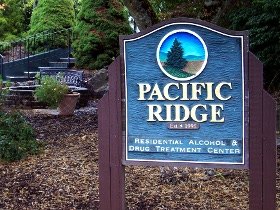
Pacific Ridge is a residential drug and alcohol treatment facility about an hour from Portland, Oregon, on the outskirts of Salem. We’re here to help individuals and families begin the road to recovery from addiction. Our clients receive quality care without paying the high price of a hospital. Most of our clients come from Oregon and Washington, with many coming from other states as well.
Pacific Ridge is a private alcohol and drug rehab. To be a part of our treatment program, the client must voluntarily agree to cooperate with treatment. Most intakes can be scheduled within 24-48 hours.
Pacific Ridge is a State-licensed detox and residential treatment program for both alcohol and drugs. We provide individualized treatment options, work closely with managed care organizations, and maintain contracts with most insurance companies.
Quick links
Recent Posts
- Confidential Cocaine Addiction Treatment: A Guide for Portland Professionals
- Dual Diagnosis Rehab Near Salem: Treating Alcoholism and Depression Together
- Meth Addiction Treatment for Eugene Residents: The Willamette Valley Healing Advantage
- Finding a Private Fentanyl Detox Center Near Portland: Why Leaving the City Helps Recovery
Contact Us
Pacific Ridge- 1587 Pacific Ridge Ln SE
Jefferson, OR 97352 - Email:
[email protected] - Phone:
503-506-0101 - Fax:
503-581-8292

- Copyright © 2026 Pacific Ridge - All Rights Reserved. Web Design & SEO by Lithium
- Follow us on