
Call Us For Easy
Confidential Assistance
503-506-0101
It only takes 5 minutes to get started
Sober Activities in the Willamette Valley: Rediscovering Life Without Substances
Posted on: January 1st, 2026 by writer
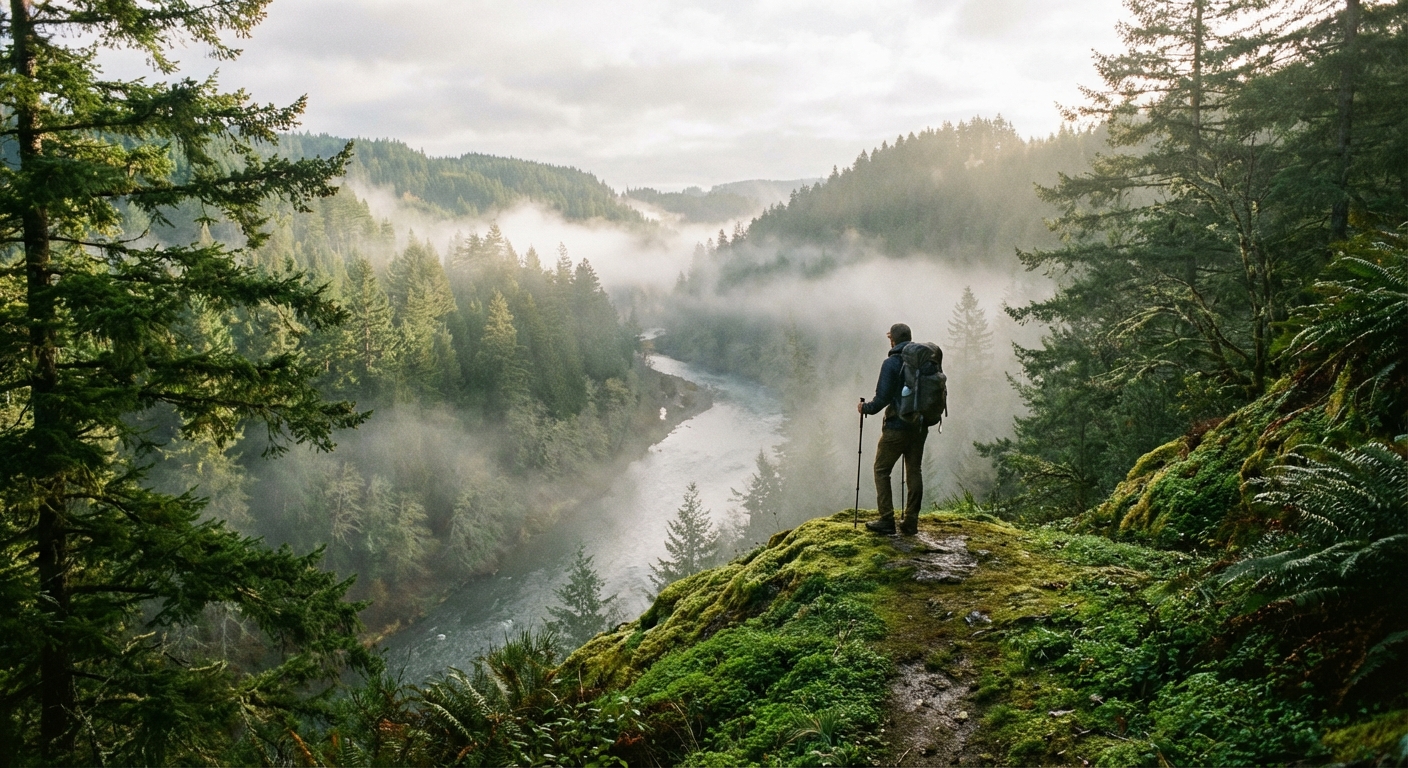
Table of Contents
- The Neuroscience of Boredom: Why “Doing Nothing” is Dangerous in Early Sobriety
- Hiking, Water Sports, and Forest Bathing: How the Willamette Valley’s Natural Landscape Supports Recovery
- Coffee Culture, Bookstores, and Museums: How to Stay Engaged When Oregon’s Weather Turns
- Why Scrolling Instagram Won’t Heal Your Brain—But Hiking Might
- From “Helper’s High” to Adrenaline Replacement: How Real People Stay Sober in Oregon
- A Quick-Reference Guide: Match Your Energy Level to the Right Activity
- Final Thoughts
One of the most pervasive fears for individuals leaving residential treatment is the belief that life without substances will be monotonous and joyless. This concern is not merely psychological—it has a clinical basis. Anhedonia, the brain’s reduced ability to experience pleasure during early recovery, is a well-documented neurological response as dopamine receptors recalibrate after prolonged substance use. However, Oregon’s Willamette Valley, stretching from Eugene northward through Salem and beyond, offers far more than its reputation as wine country suggests. This region provides a unique geography perfectly suited for what researchers call “Green Exercise” and “Active Leisure”—both scientifically proven approaches that support long-term sobriety. While the valley is often marketed for its viticulture, this guide focuses on its forests, rivers, mountains, and community spaces that provide high-quality, dopamine-stimulating activities without substances. For those completing treatment at facilities like Pacific Ridge in Jefferson, Oregon, the surrounding landscape becomes more than scenery—it becomes a therapeutic resource. This guide explores nature-based, cultural, and community activities throughout the Willamette Valley that help individuals in recovery rewire their brains for joy, connection, and purpose.
The Neuroscience of Boredom: Why “Doing Nothing” is Dangerous in Early Sobriety
Understanding why boredom poses such a significant risk in recovery requires examining what happens in the brain during active addiction and early sobriety. Chronic substance abuse floods the brain’s reward system with dopamine, dramatically raising the threshold for what registers as pleasurable. When substances are removed, everyday activities—watching a sunset, enjoying a meal, conversing with friends—can feel flat and unrewarding. This phenomenon, known as anhedonia, isn’t a character flaw; it’s a predictable neurological response. The danger lies in what comes next. Boredom isn’t merely uncomfortable for someone in early recovery—it’s a documented relapse trigger. The brain, remembering the intense dopamine floods produced by substances, seeks that “fast dopamine” as a solution to the emotional void. Research from the National Institute on Drug Abuse demonstrates that re-engaging the brain’s reward system through healthy, natural behaviors is essential for neuroplasticity—the brain’s remarkable ability to heal and create new neural pathways.
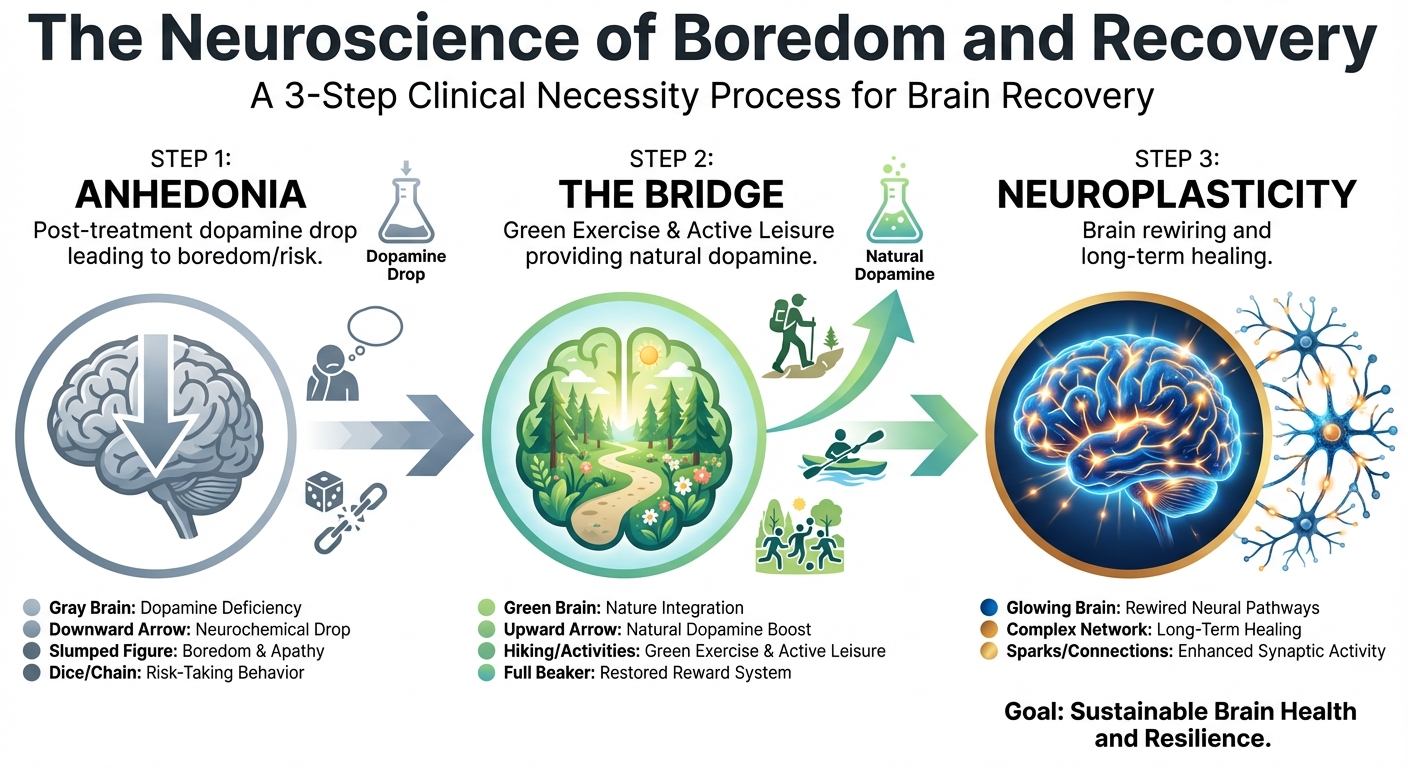
The solution involves bridging the gap during the weeks and months while dopamine receptors normalize. High-stimulation activities—those that are physically engaging, intellectually challenging, or socially rewarding—provide the necessary bridge. This is where “Green Exercise” becomes particularly valuable. A landmark study involving 1,252 participants found that just five minutes of exercise in nature significantly improved self-esteem and mood, offering accessible “natural medicine” for the recovering brain. The Willamette Valley’s geography—dense forests, flowing rivers, mountain trails—provides immediate access to this therapeutic resource. For individuals transitioning from residential treatment, understanding that boredom is a medical issue with a scientific solution transforms it from an insurmountable obstacle into a manageable challenge.
Hiking, Water Sports, and Forest Bathing: How the Willamette Valley’s Natural Landscape Supports Recovery
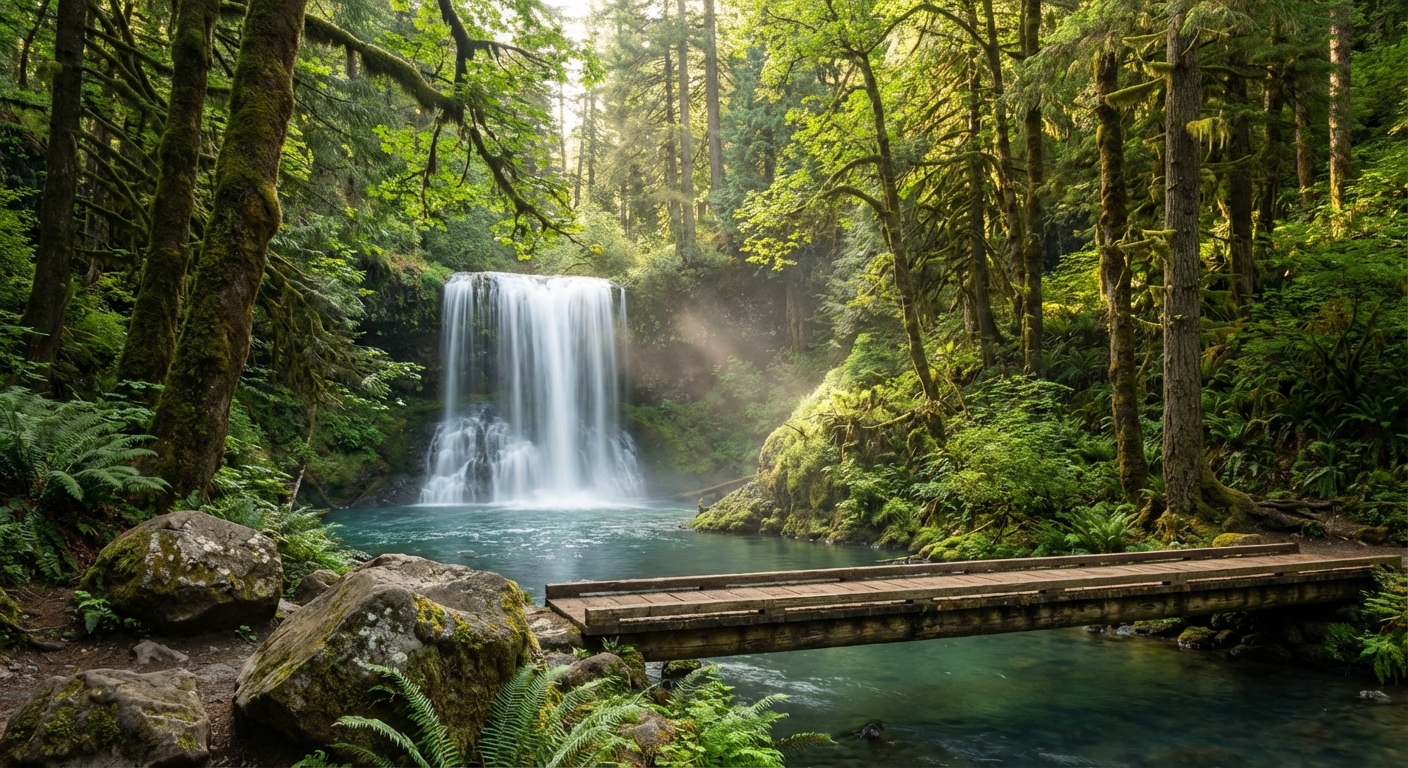
The Willamette Valley’s outdoor spaces offer more than beautiful scenery—they provide structured opportunities for the brain to heal through sensory engagement, physical exertion, and mindful presence.
Hiking and Forest Bathing
Silver Falls State Park stands as the crown jewel of Oregon’s state park system, located approximately 30 minutes from Salem near Silverton. The “Trail of Ten Falls” presents an achievable challenge: a moderate 7.2-mile loop that passes ten distinct waterfalls. This isn’t just a pleasant walk—it’s a sensory immersion experience. The sight and sound of cascading water naturally promote mindfulness, while the negative ions generated by moving water have been linked to reduced depression symptoms. For someone in early recovery, completing this trail provides a tangible accomplishment that triggers natural dopamine release without chemicals. Spencer Butte in Eugene offers a different experience. This steep, high-exertion hike demands physical focus while rewarding climbers with panoramic views of the Cascades and valley floor. The intensity mimics the “rush” the brain craves, but in a healthy, sustainable form. The connected Ridgeline Trail system provides miles of additional paths for those building endurance and routine. Minto-Brown Island Park in Salem demonstrates that therapeutic nature experiences don’t require leaving city limits. Spanning 1,200 acres—larger than New York’s Central Park—this urban sanctuary offers cycling, bird watching, and reflective walking along the Willamette River. The park’s size allows for solitude without isolation, a crucial balance for individuals learning to be comfortable alone without loneliness triggering cravings. Peavy Arboretum near Corvallis adds an educational dimension to outdoor therapy. Managed by Oregon State University, this research forest features labeled trees and meticulously maintained trails. Learning to identify Douglas Fir, Western Hemlock, and Western Red Cedar engages the intellect alongside the body, providing cognitive distraction from cravings while building new knowledge and interests.
Water Recreation
The Willamette River Water Trail transforms the valley’s defining waterway into an accessible recreation corridor. Kayaking or stand-up paddleboarding from locations like Wallace Marine Park in Salem or Alton Baker Park in Eugene requires sustained focus and physical coordination—engaging both body and mind in ways that crowd out rumination and craving thoughts. The concentration required to navigate current and maintain balance creates what psychologists call a “flow state,” where self-consciousness dissolves into present-moment awareness. Willamette Riverkeeper organizes regular river cleanups, offering a way to combine recreation with service. Participants report the dual benefit of physical activity and the “helper’s high” that comes from contributing to environmental restoration—a powerful antidote to the self-focused nature of addiction.
Agritourism Beyond Wine Country
While the Willamette Valley is famous for wine, its agricultural diversity offers numerous substance-free engagement opportunities. Adelman Peony Gardens in Salem invites visitors to walk through 25 acres of blooming flowers during peak season—a feast for the senses that encourages presence and appreciation. Johnson Vegetable Farms in Eugene offers “u-pick” berry and vegetable seasons, connecting individuals to the rhythms of nature and local food systems.
Coffee Culture, Bookstores, and Museums: How to Stay Engaged When Oregon’s Weather Turns
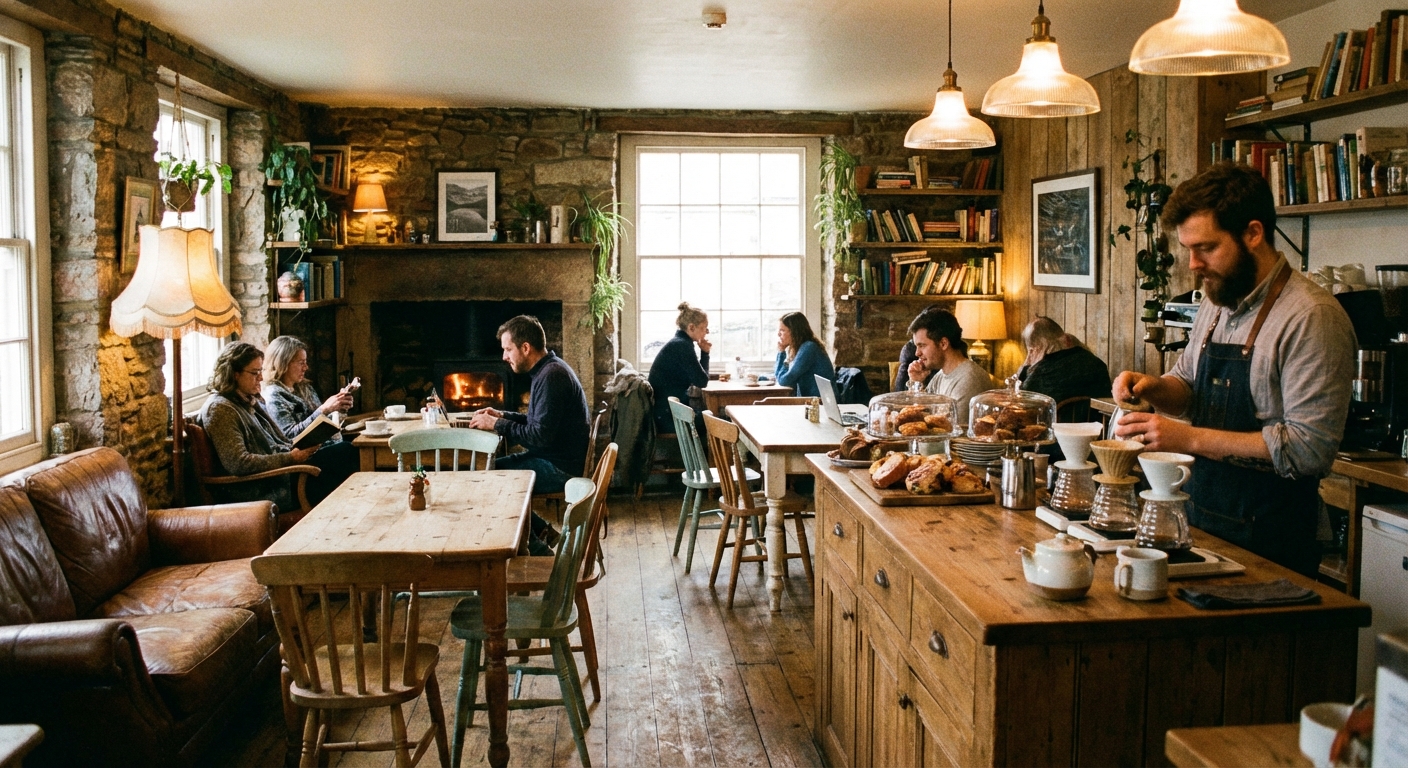
Oregon’s weather necessitates robust indoor strategies for maintaining sobriety. Fortunately, the Willamette Valley offers “third places”—social environments that aren’t home or work—that don’t center around alcohol consumption.
The “Third Wave” Coffee Culture
For many in recovery, the ritual of enjoying a carefully crafted beverage is deeply missed. The Willamette Valley’s coffee culture treats coffee beans with the reverence typically reserved for wine, but without intoxication. Governor’s Cup in Salem offers a historic venue with live music and expertly roasted coffee. Tailored Coffee Roasters in Eugene focuses on single-origin science and flavor profiles, creating an experience comparable to wine tasting but entirely substance-free. These coffee shops provide more than caffeine—they maintain the social ritual of “meeting for a drink” in safe environments. The ceremony of selecting, preparing, and savoring high-quality coffee satisfies the desire for sophistication and social connection without compromising sobriety.
Independent Bookstores
Browsing bookstores offers low-stress, high-engagement activity that encourages intellectual curiosity. The Book Bin, with locations in Salem and Corvallis, provides a regional staple for both used and new books. Smith Family Bookstore in Eugene houses a massive repository where hours can disappear into browsing shelves organized by increasingly specific categories. Reading engages the prefrontal cortex—the brain region responsible for decision-making and impulse control, often damaged by prolonged substance use. Regular reading literally exercises this critical area, aiding cognitive repair while providing escape, education, and entertainment.
Museums and Historical Spaces
The Oregon State Capitol in Salem offers more than government tours—its grounds provide calm walking spaces and seasonal gardens for quiet reflection. The Jordan Schnitzer Museum of Art on the University of Oregon campus presents rotating exhibits in a contemplative environment. The Museum of Natural and Cultural History, also in Eugene, offers deep dives into Pacific Northwest geology and anthropology, engaging minds hungry for new learning.
Creative Arts and Community Events
Eugene Saturday Market, the oldest weekly open-air crafts market in the United States, creates a vibrant, sober-friendly environment focused on artisan goods, local food, and live music. Salem Art Fair & Festival emphasizes visual arts and community engagement. These events demonstrate that social connection and cultural engagement don’t require alcohol—they thrive without it.
Why Scrolling Instagram Won’t Heal Your Brain—But Hiking Might
Not all leisure activities support recovery equally. Understanding the distinction between “passive” and “active” leisure is crucial for making choices that genuinely promote healing rather than merely filling time.
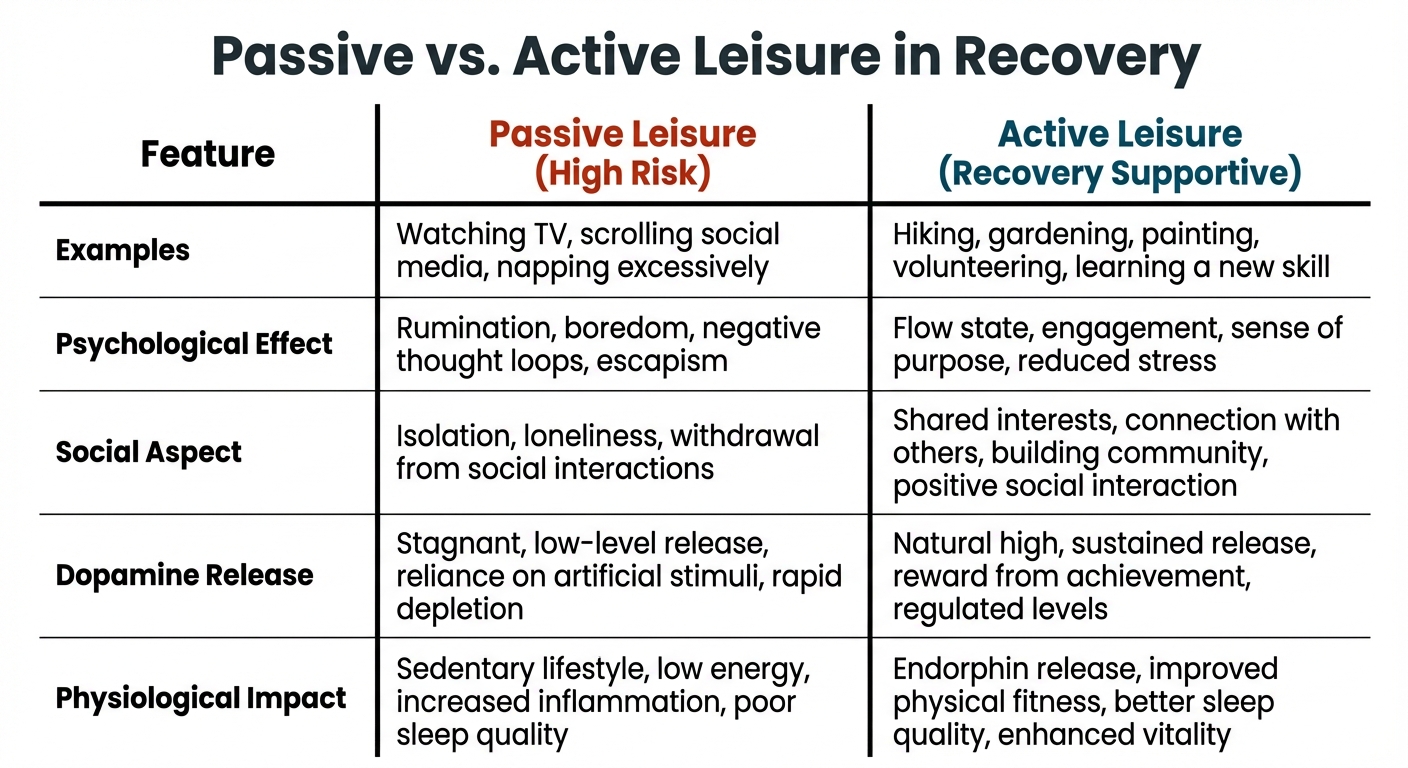
Passive leisure—watching television, scrolling social media, or sitting aimlessly in cafes—provides minimal stimulation for the recovering brain. These activities often increase rumination, turning attention inward toward negative thoughts and cravings. They offer little dopamine release and no physical benefits, creating a dangerous combination of boredom and isolation despite being “busy.” Active leisure—hiking, kayaking, volunteering, taking an art class—induces what psychologist Mihaly Csikszentmihalyi termed “Flow State”: total absorption in an activity where challenge matches skill level. During flow, self-consciousness dissolves. The persistent narrative of craving and self-judgment quiets. Time passes unnoticed. Most importantly, flow shifts focus outward—onto the trail ahead, the paddle stroke technique, the volunteer task—rather than inward onto obsessive thoughts.
Physiologically, active leisure triggers endorphin release and improves sleep regulation—both critical for recovery. The body remembers that exertion feels good, creating positive associations that compound over time. Each successful hike or paddle session becomes evidence that sobriety doesn’t mean deprivation—it means accessing pleasures that were previously overshadowed by substance use.
From “Helper’s High” to Adrenaline Replacement: How Real People Stay Sober in Oregon
Understanding principles is valuable, but seeing how they apply in real lives makes them actionable. These case studies demonstrate how specific Willamette Valley activities address different recovery needs.
The “Helper’s High”: Volunteering as Recovery Tool
Volunteering reduces self-obsession—a common trait in addiction—while providing structure, accountability, and social connection. SOLVE Oregon organizes beach and riverside cleanups throughout the state, including the Willamette River. Participants spend hours outdoors, engaged in meaningful work, surrounded by others committed to environmental stewardship. Marion-Polk Food Share in Salem offers structured volunteer shifts where individuals sort donations, pack boxes, and distribute food to community members facing food insecurity. This creates routine without rigidity, purpose without pressure. Research from the Corporation for National and Community Service established a strong link between volunteering and lower depression rates. For someone in recovery, showing up for a scheduled volunteer shift provides multiple benefits: a reason to get out of bed, social interaction with shared purpose, physical activity, and the neurochemical reward of helping others. The brain begins associating these positive feelings with sobriety rather than substances.
Adrenaline Replacement for High Sensation-Seekers
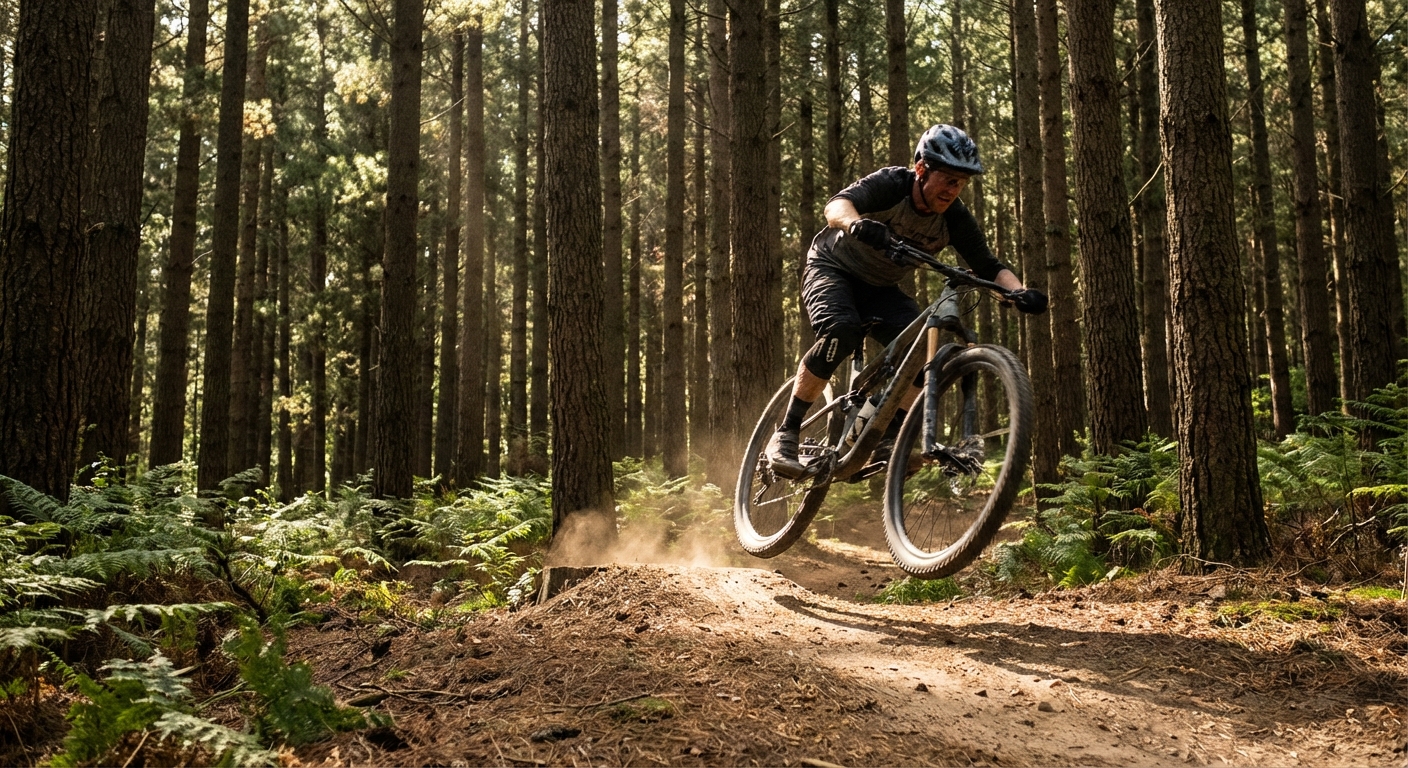
Many individuals with substance use disorders score high on sensation-seeking personality assessments—they crave intensity, novelty, and risk. Sobriety doesn’t eliminate these traits; it requires channeling them appropriately. Hoodoo Ski Area at Santiam Pass, accessible from the valley, offers skiing and tubing during winter months. The adrenaline of descending a slope at speed, the focus required to navigate terrain, and the physical exertion combine to satisfy sensation-seeking in controlled, healthy ways. Alsea Falls Recreation Area, known for world-class mountain biking trails, provides similar benefits. Technical trail riding demands split-second decisions, physical skill, and courage—all the elements that drew sensation-seekers to substances, now redirected toward athletic achievement. These activities provide a crucial insight: the recovering brain doesn’t need to settle for calm and quiet if that feels like deprivation. It can access intensity and excitement through sports that build strength, skill, and confidence rather than dependency and damage.
Community Connection Through The Phoenix
Isolation drives relapse. Finding sober peers outside clinical settings is essential for long-term recovery. The Phoenix, a national sober active community with strong Oregon presence, organizes free events including CrossFit, yoga, and hiking for anyone with 48 hours or more of sobriety. The Phoenix model recognizes that many in recovery are young, active, and athletically inclined—not stereotypes of broken individuals needing gentle care. Their events are challenging, competitive, and fun. Participants report that associating exercise with sobriety rewires the brain’s definition of enjoyment. Social connections form around shared athletic goals rather than shared substance use. For Pacific Ridge alumni, connecting with The Phoenix after treatment provides ongoing community support without the formality of traditional meetings. The approach proves that recovery communities can be as diverse as the individuals they serve.
A Quick-Reference Guide: Match Your Energy Level to the Right Activity
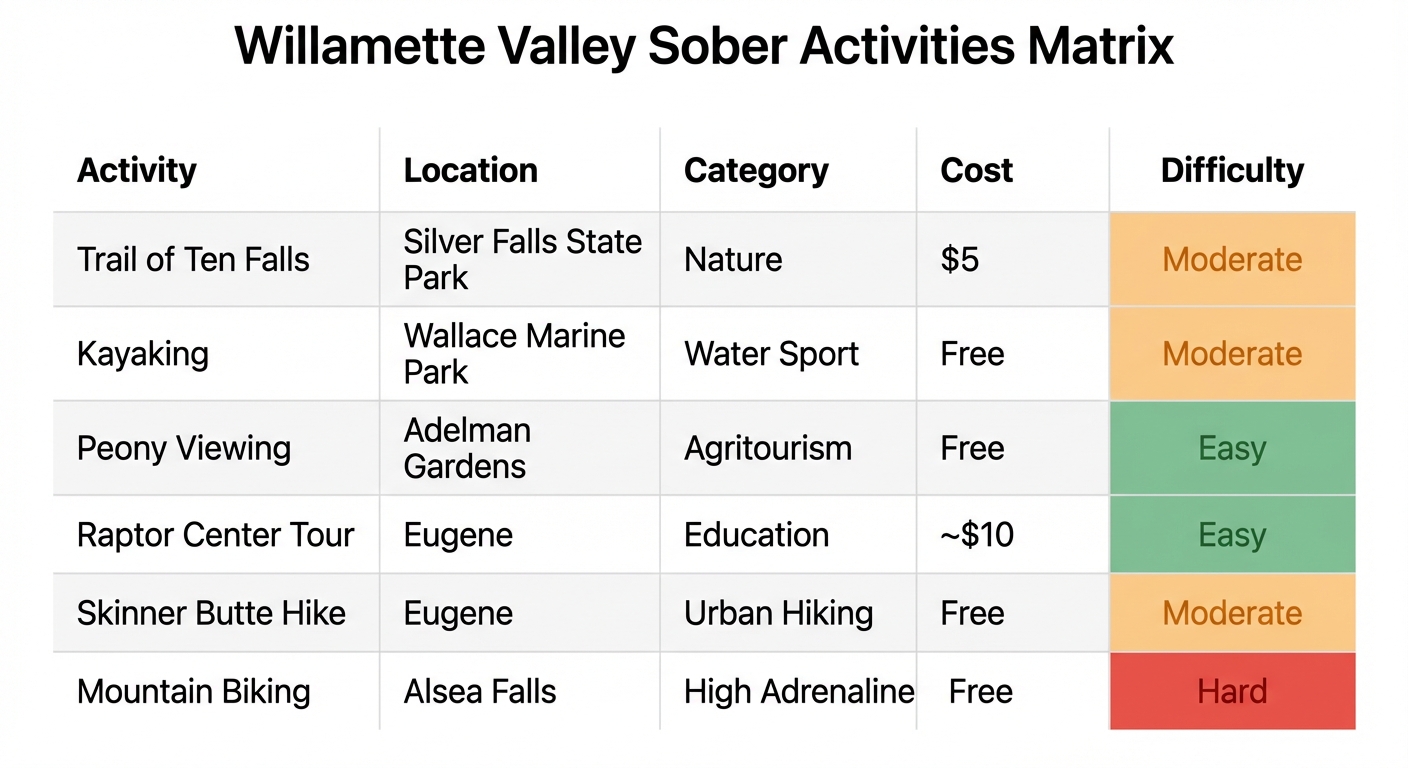
Planning sober activities becomes easier with a clear understanding of what each option requires and offers. Some days demand gentle engagement; others call for intense exertion. The Willamette Valley accommodates both ends of the spectrum and everything between. The Trail of Ten Falls at Silver Falls State Park requires moderate effort and approximately four hours, making it perfect for days when energy is good but not exceptional. The minimal cost ($5 parking) removes financial barriers, and the moderate difficulty means most people can complete it successfully—building confidence through achievement. Kayaking the Willamette from Wallace Marine Park involves equipment costs unless gear is borrowed or rented, but the experience provides sustained focus and physical engagement ideal for restless energy. The moderate difficulty allows beginners to participate while still challenging experienced paddlers. Browsing The Book Bin requires nothing more than showing up. On low-energy days when outdoor activity feels overwhelming, spending an hour among books provides gentle stimulation without pressure. The free cost and easy difficulty make it accessible regardless of circumstances. Mountain biking at Alsea Falls demands significant skill and energy but rewards high sensation-seekers with genuine excitement and challenge. The hard difficulty means building up to it, creating a progression goal that structures recovery around athletic achievement.
Final Thoughts
The Willamette Valley offers far more than Oregon’s wine country reputation suggests. For individuals in recovery, the region provides a world-class environment for substance-free living. By shifting focus from viticulture to forests, rivers, and mountains, newly sober individuals discover that they haven’t lost access to joy—they’ve gained access to sustainable, health-building pleasures previously overshadowed by substance use. Whether through the physiological benefits of Green Exercise at Silver Falls, the intellectual stimulation of independent bookstores in Eugene, or the psychological rewards of volunteering with Marion-Polk Food Share, the valley supports holistic, active sobriety. Each waterfall hike, coffee shop conversation, and volunteer shift becomes evidence that life without substances isn’t diminished—it’s enriched. For Pacific Ridge alumni and anyone navigating recovery in Oregon’s mid-valley region, the surrounding landscape isn’t merely backdrop. It’s an active participant in healing—providing structure when days feel shapeless, challenge when restlessness builds, community when isolation threatens, and beauty when hope wavers. Recovery doesn’t require moving to a perfect location—but it certainly helps when the location offers 1,200-acre urban parks, world-class waterfalls within 30 minutes, year-round farmers markets, and communities built around outdoor recreation rather than bar culture. The Willamette Valley provides these resources. Using them transforms early sobriety from white-knuckle survival into genuine rediscovery of what makes life worth living.
Ready to Explore Your Own Path to Rediscovered Joy?
Choose one activity from this guide and experience it this week. Document how it feels—the physical sensations, mental clarity, emotional shifts. Share your experience with your support network or reach out to learn how our program prepares individuals to thrive in Oregon’s recovery-friendly landscape.
References:
- National Institute on Drug Abuse. (2020). Drugs, Brains, and Behavior: The Science of Addiction. https://nida.nih.gov/publications/drugs-brains-behavior-science-addiction/drugs-brain
- Barton, J., & Pretty, J. (2010). What is the Best Dose of Nature and Green Exercise for Improving Mental Health? Environmental Science & Technology, 44(10), 3947–3955. https://pubs.acs.org/doi/abs/10.1021/es903183r
- Oregon State Parks. (2024). Silver Falls State Park Information. https://stateparks.oregon.gov/index.cfm?do=parkPage.dsp_parkPage&parkId=151
- City of Salem. (2024). Minto-Brown Island Park. https://www.cityofsalem.net/community/parks-recreation/parks/minto-brown-island-park
- Willamette Riverkeeper. (2024). River Guardians and Restoration Projects. https://willametteriverkeeper.org/restoration
- American Psychological Association. (2021). Flow State and Well-being. https://www.apa.org/monitor/2021/01/trends-flow
- AmeriCorps. (2020). The Health Benefits of Volunteering: A Review of Recent Research. https://americorps.gov/evidence-exchange/health-benefits-volunteering-review-recent-research
- The Phoenix. (2024). The Phoenix: A Sober Active Community. https://thephoenix.org/
- Travel Oregon. (2024). Willamette Valley: Things To Do (Nature & Outdoors). https://traveloregon.com/places-to-go/regions/willamette-valley/
Posted in Treatment
Are you looking for help?
Pacific Ridge is a residential drug and alcohol treatment facility about an hour from Portland, Oregon, on the outskirts of Salem. We’re here to help individuals and families begin the road to recovery from addiction. Our clients receive quality care without paying the high price of a hospital. Most of our clients come from Oregon and Washington, with many coming from other states as well.
Pacific Ridge is a private alcohol and drug rehab. To be a part of our treatment program, the client must voluntarily agree to cooperate with treatment. Most intakes can be scheduled within 24-48 hours.
Pacific Ridge is a State-licensed detox and residential treatment program for both alcohol and drugs. We provide individualized treatment options, work closely with managed care organizations, and maintain contracts with most insurance companies.
Quick links
Recent Posts
- Meth Addiction Treatment for Eugene Residents: The Willamette Valley Healing Advantage
- Finding a Private Fentanyl Detox Center Near Portland: Why Leaving the City Helps Recovery
- From Pills to Fentanyl: Understanding the Progression of Opioid Addiction
- Sober Activities in the Willamette Valley: Rediscovering Life Without Substances
Contact Us
Pacific Ridge- 1587 Pacific Ridge Ln SE
Jefferson, OR 97352 - Email:
[email protected] - Phone:
503-506-0101 - Fax:
503-581-8292

- Copyright © 2026 Pacific Ridge - All Rights Reserved. Web Design & SEO by Lithium
- Follow us on