
Call Us For Easy
Confidential Assistance
503-506-0101
It only takes 5 minutes to get started
Dual Diagnosis Rehab Near Salem: Treating Alcoholism and Depression Together
Posted on: March 28th, 2026 by writer

Table of Contents
- Why Alcoholism and Depression Are So Often Intertwined
- The Problem with Treating One Condition at a Time
- The Gold Standard: Integrated Care That Addresses the Whole Person
- Choosing the Right Dual Diagnosis Rehab: Essential Criteria
- Why Treatment Doesn’t End at Discharge: The Critical Importance of Aftercare
- Final Thoughts
When Sarah walked into her third rehab facility in two years, she felt defeated. Each time before, she’d successfully completed detox, attended group therapy, and left with renewed determination—only to relapse within weeks of returning home. What her previous treatment programs missed was the root cause hiding beneath her alcoholism: a decade of untreated major depression. Sarah’s story isn’t unique. In fact, 21.5 million adults in the United States experienced co-occurring substance use disorder and mental illness in the past year, creating a silent epidemic that demands a fundamentally different approach to treatment. This is the reality of dual diagnosis—when someone battles both alcoholism and a mental health condition like depression simultaneously. For residents near Salem, Oregon, this issue hits particularly close to home. Oregon ranks dead last (50th) nationally for mental illness prevalence and access to care, making integrated treatment facilities not just beneficial, but essential for survival. The numbers paint a sobering picture: individuals with major depressive disorder are roughly twice as likely to develop alcohol use disorder compared to the general population. Here’s the core problem that keeps people like Sarah trapped in cycles of relapse: treating alcoholism without addressing depression is like bailing water from a sinking boat without fixing the leak. The underlying mental health condition continues triggering the urge to self-medicate with alcohol, creating a revolving door of treatment admissions, temporary sobriety, and inevitable relapse. This article examines why dual diagnosis treatment works, how it differs fundamentally from traditional approaches, and how Pacific Ridge provides evidence-based, integrated care specifically designed to break this destructive cycle for Salem-area residents seeking lasting recovery.

Why Alcoholism and Depression Are So Often Intertwined
The connection between alcoholism and depression runs far deeper than coincidence—it’s rooted in brain chemistry, behavioral patterns, and a desperate attempt at survival. Understanding this relationship is the first step toward recognizing why integrated treatment is the only approach that truly works.
The Self-Medication Hypothesis
Back in the 1980s, Dr. Edward Khantzian revolutionized addiction medicine by introducing what he called the “self-medication hypothesis.” His research revealed what many struggling individuals already knew instinctively: people with untreated depression often turn to alcohol for temporary relief from unbearable emotional pain. It’s not weakness or moral failure—it’s a misguided attempt at self-treatment when proper psychiatric care isn’t available or accessible. Think about it this way: when someone experiences the crushing weight of depression—the anhedonia (inability to feel pleasure), the persistent sadness, the exhausting mental fog—alcohol offers a seductive promise. That first drink brings temporary warmth, a fleeting sense of relaxation, maybe even a few hours of feeling “normal” again.
How Alcohol Hijacks Brain Chemistry
What’s happening neurologically is both fascinating and tragic. Alcohol temporarily boosts two key neurotransmitters: gamma-aminobutyric acid (GABA), which calms anxiety, and dopamine, which creates feelings of pleasure and reward. For someone drowning in depression, these effects feel like a lifeboat. But here’s where the trap springs shut: chronic alcohol consumption doesn’t just provide temporary relief—it fundamentally alters the brain’s natural chemistry. Over time, the brain reduces its own production of serotonin and dopamine, essentially outsourcing these critical functions to alcohol. When the effects wear off, the person doesn’t return to their baseline depression—they experience rebound anxiety and even deeper depressive symptoms. The brain is now chemically dependent on alcohol to function at even a minimal level.
The Vicious Cycle Takes Hold
This creates what clinicians call a bidirectional relationship. Depression drives alcohol abuse as people seek relief. Alcohol abuse then worsens depression through neurochemical depletion, increased isolation, relationship damage, and the shame spiral that accompanies addiction. Each condition feeds the other in an accelerating downward spiral.
Imagine trying to fill a bucket that has a hole in the bottom. That’s what treating alcoholism without addressing depression looks like—you can pour in all the sobriety tools, coping mechanisms, and 12-step meetings you want, but the underlying depression keeps draining your progress away.

Research from the National Institute on Alcohol Abuse and Alcoholism confirms these patterns aren’t theoretical—they’re measurably real. Studies consistently show that people with major depressive disorder face approximately double the risk of developing alcohol use disorder compared to those without depression. Meanwhile, chronic heavy drinking increases the likelihood of developing a depressive disorder by similar margins. Consider this real-world example: Mark, a 42-year-old Salem resident, spent two decades believing he was “just a heavy drinker.” He’d wake up feeling empty and unmotivated, drink to feel better by evening, then wake up feeling worse the next day. It wasn’t until his third DUI that a court-ordered evaluation revealed severe depression that had likely existed since his early twenties. The drinking wasn’t the disease—it was a symptom of an untreated mental health condition. Once both conditions were addressed simultaneously through integrated treatment at Pacific Ridge, Mark finally understood what genuine recovery felt like. The neurobiological evidence is equally compelling. Brain imaging studies reveal that chronic alcohol abuse and major depression both affect similar regions—the prefrontal cortex (decision-making and impulse control), the amygdala (emotional processing), and the hippocampus (memory formation). When both conditions exist simultaneously, these brain regions face compounded damage, making recovery even more challenging without coordinated, specialized treatment. This is why traditional treatment models that separate mental health care from addiction treatment consistently fail. You cannot address half of an interconnected problem and expect whole recovery.
The Problem with Treating One Condition at a Time
For decades, the addiction treatment industry operated under approaches that seem almost absurd in hindsight—yet they remain surprisingly common even today. Understanding why these outdated models fail helps explain the revolutionary difference that integrated care provides.
Sequential Treatment: The “Sobriety First” Approach
In the pre-1990s era of addiction medicine, the prevailing wisdom was simple: get sober first, then we’ll deal with your depression. Patients entering treatment facilities were told that many psychiatric symptoms would naturally resolve once they stopped drinking. Mental health providers refused to treat patients until they’d achieved 30, 60, or even 90 days of sobriety. This approach was built on a logical fallacy: the assumption that depression was merely a symptom of alcoholism rather than a co-existing condition. For some people, mood symptoms do improve significantly during early sobriety. But for those with true co-occurring major depressive disorder—roughly 30-40% of people seeking alcohol treatment—untreated depression becomes the primary trigger for relapse. Here’s what actually happened: A patient would successfully complete detox, participate in group therapy, learn about triggers and coping skills, then return home still battling untreated depression. Within days or weeks, the crushing emotional pain would become unbearable. Without psychiatric support or medication to address the underlying depression, the person would pick up a drink to self-medicate. The cycle would repeat, often multiple times, with families watching helplessly as their loved ones bounced between treatment facilities.
Parallel Treatment: The “Two Providers” Model
By the 1990s and early 2000s, the treatment community recognized that mental health and addiction needed simultaneous attention. The solution seemed straightforward: treat both at the same time, but through separate systems. A patient might attend an outpatient rehab program during the day, then see a private psychiatrist on Thursday evenings for their depression. On paper, this looked like progress. In practice, it created new problems: Fragmented Care and Conflicting Treatment Plans: The addiction counselor and the psychiatrist rarely communicated. One provider would emphasize total abstinence and 12-step participation. The other would focus on psychiatric medication management. The patient received contradictory advice about whether benzodiazepines were acceptable for anxiety, whether their SSRI antidepressant might interact with anything, and how to balance competing therapeutic recommendations. Medication Complications: Perhaps most dangerously, parallel treatment led to medication interactions that neither provider fully understood. The psychiatrist might prescribe medications without knowing about the addiction medicine physician’s recommendations, and vice versa. Patients fell through the cracks between two non-communicating systems. Administrative Nightmares: Insurance companies balked at covering simultaneous treatment through different providers. Patients faced scheduling conflicts, missed appointments with one provider while attending the other, and generally experienced care that felt disjointed rather than unified.

The Real-World Impact: High Costs, Poor Outcomes
These outdated models didn’t just fail theoretically—they failed measurably. Patients cycling through sequential or parallel treatment programs experienced:
- Significantly higher rates of treatment dropout
- More frequent hospital admissions and emergency department visits
- Higher incarceration rates related to substance use
- Persistent homelessness and unemployment
- Devastating impacts on family relationships
- And ultimately, preventable deaths from suicide, overdose, or medical complications
For Salem-area residents, this fragmented care was particularly challenging. Oregon’s ranking as the worst state for mental health access meant that finding any mental health provider was difficult, let alone coordinating that care with addiction treatment.
The Breakthrough: Integrated Dual Diagnosis Treatment
The early 2000s brought a paradigm shift. Research from the National Institutes of Health and published in journals like Clinical Psychiatry demonstrated conclusively that integrated care—where addiction counseling and psychiatric treatment occur within a single unified program—produced dramatically better outcomes. A landmark NIH-funded study tracked patients with severe co-occurring disorders over 36 months. Those receiving integrated dual diagnosis treatment experienced a 50% reduction in substance relapse compared to traditional parallel care. Equally important, they showed significant improvements in psychiatric symptom management, housing stability, employment, and overall quality of life.
What Made the Difference?
In integrated care:
- A single treatment team coordinates all aspects of care
- The same professionals understand both addiction and mental health
- Medication management considers both conditions simultaneously
- Therapy addresses the interconnections between drinking triggers and depressive episodes
- Treatment plans are unified, consistent, and comprehensive
For someone in Salem seeking dual diagnosis treatment, choosing an integrated program like Pacific Ridge literally means the difference between sustained recovery and returning to square one. The evidence isn’t subtle—integrated care works, and outdated models don’t. Jennifer’s story illustrates this perfectly. After three attempts at traditional rehab failed, she arrived at Pacific Ridge skeptical and exhausted. Within days, her treatment team identified that her alcoholism was fundamentally driven by untreated post-traumatic stress disorder and major depression. Instead of separating these issues into different therapeutic tracks, her counselor, psychiatrist, and therapist worked as a coordinated team. They addressed trauma memories that triggered both depression and drinking. They adjusted her antidepressant medication while monitoring for interactions with recovery medications. They taught her that sobriety tools and mental health skills weren’t separate—they were integrated parts of the same healing process. Two years later, Jennifer hasn’t just stayed sober—she’s rebuilt her life with tools that address the whole person, not just isolated symptoms.
The Gold Standard: Integrated Care That Addresses the Whole Person

When you walk into a truly integrated dual diagnosis facility, the difference is immediately apparent. Rather than navigating between separate departments or providers, patients work with a coordinated team that understands the complete picture of their health.
Comprehensive Assessment: Getting the Diagnosis Right
Recovery begins with accurate diagnosis. In integrated facilities like Pacific Ridge, intake assessments go far beyond checking for alcohol withdrawal symptoms. Patients receive thorough psychiatric evaluations that screen for:
- Major depressive disorder and persistent depressive disorder (dysthymia)
- Anxiety disorders including generalized anxiety, panic disorder, and social anxiety
- Post-traumatic stress disorder (PTSD)
- Bipolar disorder
- Attention-deficit/hyperactivity disorder (ADHD)
- Personality disorders
- Trauma histories that may underlie both addiction and mental health symptoms
This comprehensive approach catches conditions that traditional rehabs miss. Many people discover for the first time that their “drinking problem” was actually a desperate attempt to manage untreated psychiatric conditions that had existed for years or even decades.
The Unified Treatment Team: Collaboration, Not Fragmentation
In integrated care, the team consists of cross-trained professionals who speak the same clinical language:
- Addiction Medicine Physicians who understand psychiatric medications
- Psychiatrists and Psychiatric Nurse Practitioners with specialized training in substance use disorders
- Licensed Therapists certified in both addiction counseling and evidence-based mental health treatments
- Case Managers who coordinate all aspects of care and aftercare planning
Most importantly, these professionals meet regularly to discuss each patient’s progress. When medication needs adjustment, everyone knows. When therapy reveals new trauma memories, the entire team adapts the treatment plan accordingly. There are no gaps, no missed communications, no contradictory advice.
Evidence-Based Therapies That Target Both Conditions
Integrated dual diagnosis treatment employs therapeutic approaches proven effective for co-occurring disorders: Cognitive Behavioral Therapy (CBT): This gold-standard approach helps patients identify the thought patterns that trigger both drinking urges and depressive episodes. For example, the thought “I’m worthless” might trigger depression, which then triggers the thought “I need a drink to feel better,” which leads to relapse. CBT teaches patients to interrupt these patterns at their source, developing healthier thinking habits that prevent both depression spirals and substance use. Dialectical Behavior Therapy (DBT): Originally developed for borderline personality disorder, DBT has proven remarkably effective for dual diagnosis treatment. It teaches four core skill sets:
- Mindfulness: Staying present rather than ruminating about the past or catastrophizing about the future
- Distress Tolerance: Getting through difficult emotions without drinking or self-destructive behavior
- Emotional Regulation: Understanding and managing intense feelings rather than being overwhelmed by them
- Interpersonal Effectiveness: Building healthy relationships that support rather than sabotage recovery
Medication-Assisted Treatment (MAT): When clinically appropriate, medications can address both alcohol cravings and depression simultaneously. This might include:
- SSRIs or SNRIs to treat underlying depression while supporting abstinence
- Naltrexone to reduce alcohol cravings while being compatible with antidepressants
- Acamprosate to ease post-acute withdrawal symptoms and support brain healing
- In some cases, carefully monitored use of medications for anxiety, sleep, or other co-occurring symptoms
The key difference in integrated care is that one psychiatric provider oversees all medications, understanding how they interact and adjusting them based on the whole picture rather than isolated symptoms.
The Biopsychosocial Model: Treating the Complete Person
Effective dual diagnosis treatment recognizes that human beings are complex. Recovery requires addressing: Biological Needs: Medical detoxification, treatment for alcohol-related health complications, psychiatric medication management, nutrition and sleep restoration, and exercise as part of healing. Psychological Needs: Individual therapy for trauma processing, group therapy for peer support and learning from others’ experiences, family therapy to heal damaged relationships and build support systems, and skills training for managing both addiction and mental health symptoms. Social Needs: Vocational counseling and employment support, housing assistance, legal advocacy when needed, connection to community resources, and aftercare planning that extends far beyond discharge.
Why Environment Matters: The Pacific Ridge Advantage
Location isn’t just about convenience—it’s therapeutic. Pacific Ridge’s setting in the tranquil Willamette Valley near Salem provides a low-stress environment that actively supports healing. Research consistently shows that natural settings reduce cortisol (stress hormone) levels, lower blood pressure, and improve mood—all critical for depression and anxiety recovery. For Salem-area residents, this means accessing world-class integrated care without relocating to distant states. Family members can visit easily, maintaining crucial connections during treatment. And patients can transition home while continuing outpatient care with the same team that provided their residential treatment—continuity that dramatically improves long-term outcomes.
What This Looks Like in Practice
At Pacific Ridge, a typical day demonstrates true integration:
- Morning: Group therapy addressing both addiction triggers and depressive thought patterns—not separate sessions, but one integrated approach
- Mid-morning: Individual therapy session where the same therapist addresses both the patient’s sobriety skills and their trauma work
- Afternoon: Psychiatric appointment to review medication effectiveness for both alcohol cravings and depression symptoms
- Late afternoon: Holistic activities like mindfulness walks in nature, yoga, or art therapy that address whole-person wellness
- Evening: Family therapy session via telehealth, educating loved ones about both addiction recovery and supporting someone with depression
This level of coordination is impossible in traditional models where different providers work in isolation. It’s the difference between fragmented puzzle pieces and a complete, coherent picture of healing. Oregon’s mental health crisis—ranking 50th nationally for prevalence and access—makes facilities like Pacific Ridge not just valuable but essential. For the roughly 11.5% of Oregon adults struggling with co-occurring substance use and mental illness, integrated dual diagnosis treatment represents the most viable path to sustained recovery.
Choosing the Right Dual Diagnosis Rehab: Essential Criteria
The decision to seek treatment is courageous. But not all programs are created equal, and choosing the wrong facility can waste precious time, resources, and hope. For Salem-area residents and their families, understanding what distinguishes truly effective dual diagnosis care from marketing claims is critical.
Accreditation and Licensing: Non-Negotiable Foundations
Before considering anything else, verify that the facility meets basic regulatory standards:
- Joint Commission Accreditation: This national body sets rigorous standards for behavioral health facilities
- LegitScript Certification: Ensures the facility meets addiction treatment legitimacy standards
- Oregon Health Authority Licensing: Confirms state-level compliance and oversight
- Insurance Credentialing: Legitimate facilities are in-network with major insurance providers
If a facility lacks these credentials or is evasive about them, that’s an immediate red flag. Quality programs proudly display their accreditations.
Integrated Treatment Philosophy: Actions, Not Words
Many facilities claim to treat co-occurring disorders but actually practice parallel care under an “integrated” label. Ask specific questions:
- “Will I have the same therapist for both my addiction and my depression, or different providers?”
- “Does your psychiatric provider specialize in addiction medicine?”
- “How often does your treatment team meet to coordinate care?”
- “Can I see a sample integrated treatment plan?”
True integration means one team, one plan, one coordinated approach—not separate tracks running simultaneously.
Evidence-Based Practices: Science Over Marketing
Effective dual diagnosis programs base their approach on research-proven methods:
- Cognitive Behavioral Therapy (CBT)
- Dialectical Behavior Therapy (DBT)
- Trauma-Focused Cognitive Behavioral Therapy (TF-CBT) for PTSD
- Medication-Assisted Treatment (MAT) when appropriate
- Motivational Interviewing
- Family systems therapy
Be wary of programs that emphasize experimental, unproven approaches or rely heavily on alternative therapies while minimizing evidence-based clinical treatment.
Staff Qualifications: Expertise Matters
Your life depends on the expertise of the people treating you. Quality programs employ:
- Licensed Clinical Psychologists or Licensed Clinical Social Workers with specialized training in addiction and mental health
- Board-Certified Psychiatrists or Psychiatric Nurse Practitioners with addiction medicine expertise
- Licensed Addiction Counselors with mental health training
- Staff with lived recovery experience working alongside (not replacing) licensed professionals
Ask about staff credentials, ongoing training, and supervision structures.
Individualized Treatment Plans: One Size Fails All
Effective dual diagnosis care tailors treatment to each person’s unique situation. Red flags include:
- Programs where everyone follows the same schedule with minimal individualization
- Facilities that refuse to adjust medication based on response
- Programs with rigid rules about therapy modalities rather than adapting to patient needs
Quality facilities regularly update treatment plans based on progress and changing needs.
Continuum of Care: Treatment Doesn’t End at Discharge
Recovery is a long-term process. Strong programs offer multiple levels of care:
- Medical Detoxification: Safe, medically supervised withdrawal management
- Residential Treatment: Immersive 30-90 day programs for intensive intervention
- Partial Hospitalization (PHP): Full-day programming while living at home or in sober housing
- Intensive Outpatient (IOP): Several hours weekly for ongoing support
- Standard Outpatient: Continued individual and group therapy
- Alumni Services: Ongoing connection and support after formal treatment ends
The ability to transition between levels while staying with the same treatment team dramatically improves outcomes.
Family Involvement: Recovery Affects Everyone
Addiction and mental illness impact entire family systems. Quality programs include:
- Family education about co-occurring disorders
- Family therapy to heal damaged relationships and improve communication
- Guidance for loved ones on setting healthy boundaries
- Support for family members’ own mental health needs
Programs that exclude families or treat them as obstacles rather than partners miss a critical component of sustainable recovery.
Environment: Location and Setting Matter
The physical environment influences healing, especially for depression and anxiety:
- Low-stress settings away from urban chaos
- Access to nature for therapeutic outdoor activities
- Comfortable, safe facilities that promote dignity and respect
- Reasonable proximity to home for family involvement and transition planning
Pacific Ridge’s location in the peaceful Willamette Valley near Salem exemplifies this principle—providing world-class clinical care in an environment that naturally supports mental health recovery.
Red Flags: What to Avoid
Certain practices indicate outdated or ineffective programs:
- “Get sober first” philosophies that refuse to treat mental health until after extended abstinence
- Separation of addiction and mental health treatment into different buildings, providers, or departments
- Lack of licensed psychiatric professionals on staff—relying only on counselors or coaches
- Pressure to commit before a thorough assessment—quality programs evaluate you first, then recommend appropriate care
- Guarantees of success or cure—recovery is a process, and ethical programs don’t make unrealistic promises
- Marketing that emphasizes luxury amenities over clinical expertise and outcomes
Pacific Ridge: The Complete Package
Pacific Ridge checks every essential box:
- Fully accredited and licensed with transparent credentials
- True integrated care with unified treatment teams
- Evidence-based therapies delivered by licensed, specialized professionals
- Individualized treatment plans adapted to each patient’s needs
- Complete continuum of care from detox through outpatient and alumni support
- Active family involvement in the recovery process
- Therapeutic environment in the natural beauty of Oregon’s Willamette Valley
- Convenient access for Salem-area residents while maintaining a peaceful, healing setting
Most importantly, Pacific Ridge’s outcomes speak for themselves. Patients don’t just complete treatment—they build foundations for long-term recovery that address both their addiction and their mental health needs comprehensively.
Why Treatment Doesn’t End at Discharge: The Critical Importance of Aftercare

The moment a patient completes residential treatment represents a crucial transition, not a finish line. Both alcoholism and depression are chronic, relapsing conditions that require ongoing management—much like diabetes, heart disease, or asthma. Understanding aftercare as an essential component rather than an optional extra dramatically improves long-term outcomes.
The Reality of Long-Term Recovery
Recovery isn’t cured—it’s managed. This isn’t pessimism; it’s realistic preparation for sustainable wellness. Brain chemistry doesn’t fully normalize after 30, 60, or even 90 days of treatment. Neuroplasticity (the brain’s ability to rewire itself) continues for months and years. Neural pathways associated with addiction and depression require consistent reinforcement of healthier patterns. Research tracking patients over multiple years reveals a clear pattern: those who engage in structured aftercare for at least 12 months have significantly lower relapse rates than those who view discharge as the end of treatment. The NIH study on integrated dual diagnosis treatment found that the 50% reduction in relapse was specifically associated with ongoing aftercare participation, not just initial residential treatment.
Essential Aftercare Components
Outpatient Therapy: Continuing the Work Individual therapy continues processing trauma, managing triggers, and developing coping skills. Frequency typically starts at weekly sessions, gradually reducing as stability increases. Group therapy provides peer support and reduces isolation—a critical factor since loneliness often triggers both drinking and depressive episodes. For dual diagnosis patients, continuing with the same therapist who provided residential treatment creates invaluable continuity. The therapist already knows your history, understands your unique triggers, and can recognize warning signs of relapse before they become crises. Medication Management: Fine-Tuning Brain Chemistry Psychiatric medications often require ongoing adjustment. An antidepressant that worked well during residential treatment might need dosage changes as brain chemistry stabilizes. New symptoms might emerge that require different approaches. Regular appointments with a psychiatrist or psychiatric nurse practitioner ensure medications continue supporting recovery rather than causing unwanted side effects. This is particularly critical for dual diagnosis patients. Stopping psychiatric medication prematurely—thinking “I feel better now, I don’t need this anymore”—is one of the most common triggers for relapse of both depression and substance use. Peer Support Groups: You’re Not Alone Multiple pathways support long-term recovery:
- 12-Step Programs: Alcoholics Anonymous (AA) and Dual Recovery Anonymous provide structured fellowship and spiritual principles
- SMART Recovery: A science-based alternative emphasizing self-empowerment and cognitive behavioral tools
- Refuge Recovery: A Buddhist-influenced approach focusing on mindfulness and compassion
- Celebrate Recovery: A Christ-centered 12-step program
For dual diagnosis patients, groups specifically addressing co-occurring disorders (like Dual Recovery Anonymous) provide the most relevant support. Members understand the unique challenges of managing both conditions simultaneously. Alumni Programs: Staying Connected Quality treatment facilities maintain ongoing relationships with graduates. Pacific Ridge’s alumni program includes:
- Regular alumni meetings and social events
- Online support groups for continued connection
- Access to counselors for check-ins and crisis support
- Newsletters and resources for ongoing education
Alumni connections provide accountability, encouragement, and the powerful reminder that sustained recovery is possible—other people just like you are succeeding.
Relapse Prevention Planning: Preparing for Challenges
Effective aftercare includes detailed relapse prevention planning:
- Identifying Personal Triggers: Stress, isolation, financial problems, relationship conflicts, specific people or places associated with past drinking
- Developing Specific Coping Strategies: What exactly will you do when each trigger occurs?
- Creating Support Networks: Who can you call at 2 AM when you’re struggling?
- Recognizing Warning Signs: What thoughts, feelings, or behaviors indicate you’re at risk?
- Emergency Action Plans: Step-by-step procedures for crisis situations
Patients who complete detailed relapse prevention planning and review it regularly demonstrate significantly better outcomes than those who leave treatment with vague intentions to “stay strong.”
Family Involvement Post-Treatment
Recovery affects entire families. Aftercare should include:
- Family Education: Helping loved ones understand co-occurring disorders, recognize warning signs, and respond appropriately
- Boundaries and Enabling: Teaching families how to support without enabling destructive behavior
- Family Therapy: Addressing relationship damage and building healthier communication patterns
- Support for Family Members: Many families benefit from Al-Anon, therapy, or support groups for their own healing
When families understand both addiction and mental health recovery, they become assets rather than inadvertent obstacles.
The First Year: What to Expect
Recovery follows predictable patterns: Months 1-3: The “pink cloud” phase often occurs—initial enthusiasm and relief. But this is also when cravings remain strong and depression symptoms might resurface. Intensive outpatient care is critical during this vulnerable period. Months 4-6: Reality sets in. The novelty of recovery fades, and the hard work of building a new life begins. Depression and anxiety often increase as the brain continues healing. This is when many relapses occur without strong aftercare support. Months 7-12: Stability gradually increases. Coping skills become more automatic. However, the first year includes navigating life challenges sober—first holidays, first conflicts, first failures—without the old escape of alcohol. Beyond Year One: Recovery becomes increasingly sustainable. Brain chemistry continues improving. New habits become established. The risk of relapse decreases significantly—but never disappears entirely. Patients who engage in structured aftercare through this entire first year show dramatically better five-year outcomes than those who disengage after discharge.
The Pacific Ridge Commitment
Pacific Ridge doesn’t just prepare patients for life after treatment—the program walks alongside them through comprehensive aftercare:
- Seamless Transitions: Moving from residential to partial hospitalization to intensive outpatient with the same treatment team
- Ongoing Medication Management: Continuing with psychiatric providers who know your complete history
- Alumni Support: Active alumni community providing ongoing connection and encouragement
- Crisis Support: Access to clinical staff when challenges arise
- Family Resources: Continued education and support for loved ones
This commitment recognizes that discharge from residential care is not an ending—it’s a transition to the next phase of a lifelong journey toward wellness.
Final Thoughts
The evidence is overwhelming and the conclusion is clear: treating alcoholism while ignoring co-occurring depression is a fundamentally flawed approach that sets patients up for repeated failure. For the 21.5 million Americans—and particularly for Oregon residents in Salem and surrounding communities—struggling with both substance use and mental health conditions simultaneously, integrated dual diagnosis treatment isn’t simply a better option. It’s the only scientifically validated pathway to sustained recovery. Oregon’s mental health crisis makes this even more urgent. Ranking 50th nationally for mental illness prevalence and access to care means that specialized facilities providing integrated treatment are not luxuries—they’re essential, lifesaving resources. When research demonstrates a 50% reduction in relapse rates for patients receiving integrated care compared to traditional approaches, choosing the right treatment model becomes literally a matter of life and death. The cycle that traps people in repeated rehab admissions—detox, short-term sobriety, relapse—can be broken. But it requires addressing the complete picture: the alcohol dependence and the underlying depression that drives it, treated simultaneously by a coordinated team of professionals who understand how these conditions interact and reinforce each other.
Key Takeaways for Salem-Area Residents
- The right environment matters
- Evidence-based therapies delivered by qualified experts matter
- Comprehensive aftercare that extends far beyond discharge matters
- Accessibility matters—being able to access world-class integrated care close to home
- Maintaining family connections while receiving treatment matters
- Transitioning back to your community with ongoing support from the same team that provided initial care matters
Recovery is not just possible—it’s probable when both conditions receive the attention they deserve. When treatment addresses the neurobiological reality that alcoholism and depression are intertwined. When patients work with a unified team rather than navigating fragmented systems. When family members are educated and involved. When aftercare provides ongoing support during the vulnerable first year and beyond. If you or someone you love is struggling with both alcoholism and depression, know that specialized help is available near Salem. Integrated dual diagnosis treatment at Pacific Ridge offers a scientifically-proven pathway to lasting recovery—addressing not just the addiction, but the underlying mental health condition that fuels it, in an environment designed to support healing.
Ready to Break the Cycle?
Take the first step toward lasting recovery with integrated dual diagnosis treatment designed for your complete healing.
Contact Pacific Ridge today to learn how we can help you or your loved one build a foundation for sustainable wellness.
References:
- Substance Abuse and Mental Health Services Administration (SAMHSA). (2023). Key Substance Use and Mental Health Indicators in the United States: Results from the 2022 National Survey on Drug Use and Health. https://www.samhsa.gov/data/release/2022-national-survey-drug-use-and-health-nsduh-releases
- Mental Health America (MHA). (2023). The State of Mental Health in America. https://mhanational.org/issues/state-mental-health-america
- National Institute on Alcohol Abuse and Alcoholism (NIAAA). (2021). Alcohol and Depression. https://www.niaaa.nih.gov/publications/brochures-and-fact-sheets/alcohol-and-depression
- National Institute on Drug Abuse (NIDA). (2020). Common Comorbidities with Substance Use Disorders Research Report. https://nida.nih.gov/publications/research-reports/common-comorbidities-substance-use-disorders/part-1-connection-between-substance-use-disorders-mental-illness
- National Center for Biotechnology Information (NCBI) / PubMed Central. (2011). Ten-Year Recovery Outcomes for Clients with Co-Occurring Schizophrenia and Substance Use Disorders. (Drake et al.) https://www.ncbi.nlm.nih.gov/pmc/articles/PMC3180738/
- Oregon Health Authority (OHA). (2022). Behavioral Health System Data and Reports. https://www.oregon.gov/oha/HSD/AMH/Pages/index.aspx
Posted in Treatment
Are you looking for help?
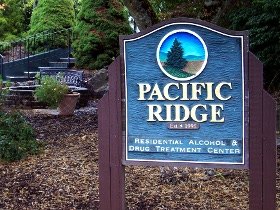
Pacific Ridge is a residential drug and alcohol treatment facility about an hour from Portland, Oregon, on the outskirts of Salem. We’re here to help individuals and families begin the road to recovery from addiction. Our clients receive quality care without paying the high price of a hospital. Most of our clients come from Oregon and Washington, with many coming from other states as well.
Pacific Ridge is a private alcohol and drug rehab. To be a part of our treatment program, the client must voluntarily agree to cooperate with treatment. Most intakes can be scheduled within 24-48 hours.
Pacific Ridge is a State-licensed detox and residential treatment program for both alcohol and drugs. We provide individualized treatment options, work closely with managed care organizations, and maintain contracts with most insurance companies.
Quick links
Recent Posts
- Dual Diagnosis Rehab Near Salem: Treating Alcoholism and Depression Together
- Meth Addiction Treatment for Eugene Residents: The Willamette Valley Healing Advantage
- Finding a Private Fentanyl Detox Center Near Portland: Why Leaving the City Helps Recovery
- From Pills to Fentanyl: Understanding the Progression of Opioid Addiction
Contact Us
Pacific Ridge- 1587 Pacific Ridge Ln SE
Jefferson, OR 97352 - Email:
[email protected] - Phone:
503-506-0101 - Fax:
503-581-8292

- Copyright © 2026 Pacific Ridge - All Rights Reserved. Web Design & SEO by Lithium
- Follow us on