
Call Us For Easy
Confidential Assistance
503-506-0101
It only takes 5 minutes to get started
Holistic Healing: How Nutrition and Routine Accelerate Addiction Recovery
Posted on: July 30th, 2026 by writer

Table of Contents
- What Addiction Really Does to Your Body: Understanding the Physical Toll
- Food as Healing: How Proper Nutrition Rewires Your Brain for Recovery
- From Chaos to Calm: How Daily Routines Rewire Recovery
- Why Holistic Residential Care Outperforms Traditional Models
- Building Your Foundation: Practical Steps for Holistic Healing
- Final Thoughts
Recovery from addiction is far more complex than simply stopping substance use. While abstinence marks an essential first step, true healing requires rebuilding the body and mind from the ground up. Up to 80% of individuals with chronic alcohol use disorder suffer from severe nutritional deficiencies that directly impair cognitive function and emotional stability. Modern addiction treatment recognizes a crucial truth: substances inflict systemic damage on the body, brain chemistry, sleep patterns, and gut health—requiring comprehensive healing strategies that address every dimension of well-being. This paradigm shift has given rise to holistic residential treatment programs that go beyond traditional medical models. At the heart of this approach lie two fundamental pillars: targeted nutrition to repair physiological damage and structured daily routines to restore circadian rhythms and reduce relapse triggers. Research now demonstrates that these interventions aren’t just supportive add-ons—they’re essential neurobiological treatments that accelerate recovery, stabilize mood, and build long-term resilience. At Pacific Ridge, our peaceful residential setting in Oregon integrates clinical nutrition education and highly structured schedules to support this comprehensive healing. By addressing addiction’s impact on the whole person—body, mind, and spirit—we create the foundation for lasting transformation.
What Addiction Really Does to Your Body: Understanding the Physical Toll
Before understanding how nutrition and routine facilitate healing, it’s critical to grasp the severe physiological damage caused by substance abuse—damage that extends far beyond what’s visible on the surface.
Nutritional Devastation
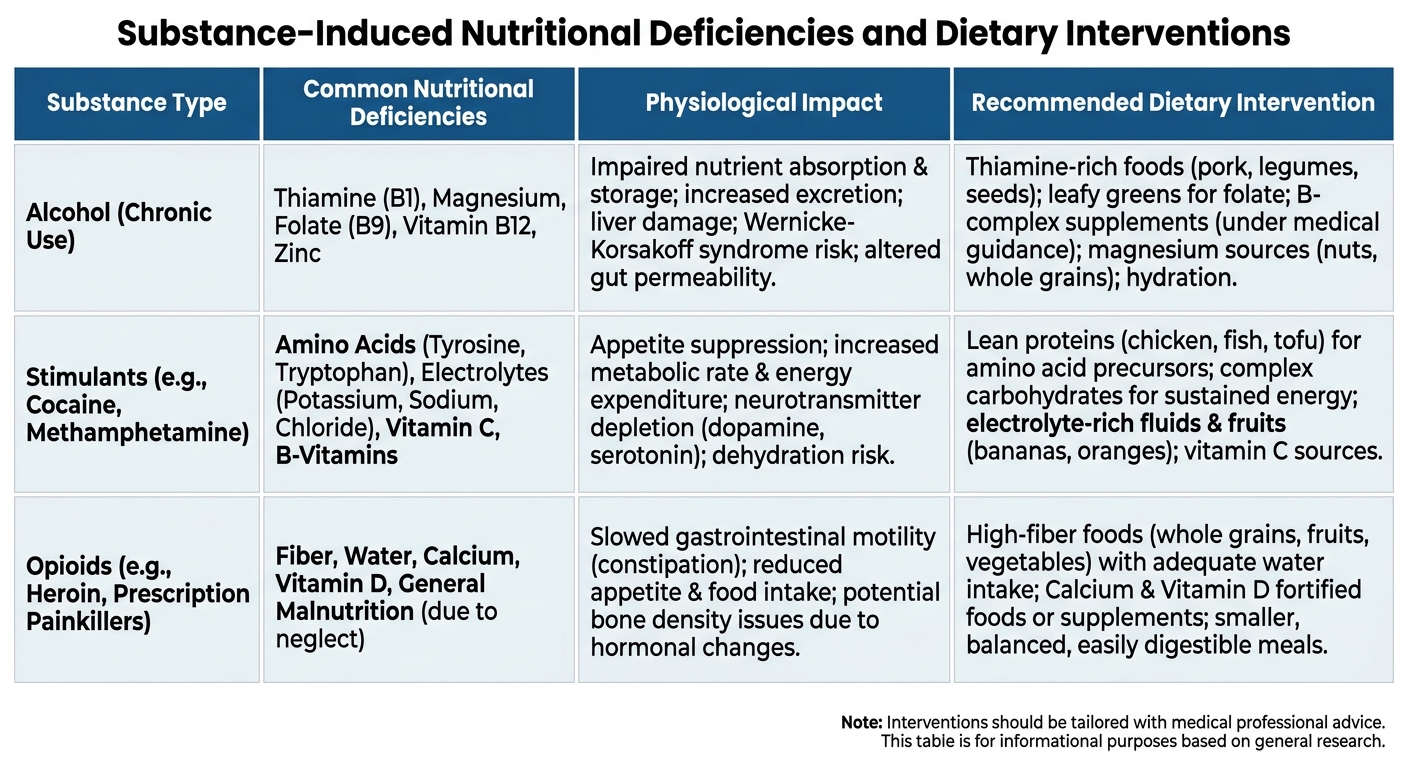
Chronic substance use severely compromises the body’s ability to absorb and process essential nutrients. This isn’t merely about poor eating habits during active addiction; substances actively block nutrient absorption and deplete vital vitamins and minerals at accelerated rates. Thiamine (Vitamin B1) deficiency affects up to 80% of chronic alcohol users and can lead to permanent cognitive impairment through conditions like Wernicke-Korsakoff syndrome. But the nutritional damage doesn’t stop there. Stimulants and opioids deplete amino acids like tyrosine and tryptophan—the building blocks your brain uses to produce dopamine and serotonin. Without these neurotransmitter precursors, individuals experience the crushing depression, anxiety, and intense cravings that characterize Post-Acute Withdrawal Syndrome (PAWS).
Neurotransmitter Depletion
Substances hijack the brain’s reward system, flooding it with artificial dopamine and serotonin. Over time, the brain stops producing adequate amounts of these “feel-good” chemicals naturally. When substance use stops, individuals are left with a severe neurochemical deficit that manifests as profound emotional instability, anhedonia (inability to feel pleasure), and overwhelming cravings.
Gut Health Destruction
Recent breakthroughs in neuroscience have revealed the critical “gut-brain axis”—the biochemical connection between digestive health and mental health. Chronic substance abuse severely damages the gut microbiome, leading to systemic inflammation that worsens mood disorders and anxiety. This inflammation doesn’t just affect digestion; it directly impacts brain function, creating a vicious cycle that perpetuates emotional dysregulation during early recovery.
Circadian Chaos
Substances disrupt the brain’s internal clock—the suprachiasmatic nucleus—leading to sleep disturbances at rates five times higher than the general population. This disruption elevates stress hormones like cortisol, impairs emotional regulation, and significantly increases vulnerability to relapse. Without proper sleep-wake cycles, the brain cannot consolidate memories, regulate emotions, or restore energy effectively.
Food as Healing: How Proper Nutrition Rewires Your Brain for Recovery
Nutrition in recovery isn’t about general wellness—it’s a clinical intervention that repairs neural pathways, stabilizes mood, and reduces cravings. According to the National Institutes of Health, nutrient-dense diets in early recovery directly repair organ tissue, boost immune function, and replenish depleted neurotransmitter stores.
The Gut-Brain Connection: Your Second Brain
Here’s a fact that surprises most people: approximately 90% of serotonin—the neurotransmitter responsible for mood regulation and emotional well-being—is produced in the gut, not the brain. Chronic substance abuse creates an inflamed, damaged gut microbiome, which disrupts serotonin production and worsens depression and anxiety. The solution lies in targeted dietary interventions. Probiotic-rich foods like yogurt, kefir, and fermented vegetables help restore healthy gut flora. High-fiber diets support beneficial bacteria growth, while anti-inflammatory omega-3 fatty acids from sources like salmon, walnuts, and flaxseeds reduce systemic inflammation. Research demonstrates that these interventions significantly reduce psychological distress in recovery by restoring the gut-brain axis.
Substance-Specific Nutritional Strategies
Different substances create different nutritional deficits, requiring tailored dietary approaches: Alcohol Recovery demands a focus on thiamine-rich whole grains, lean proteins, leafy greens, and magnesium-rich nuts and seeds. These nutrients repair cognitive function, support liver regeneration, and restore the nervous system. B-vitamin supplementation often proves essential in early recovery. Stimulant Recovery requires calorie-dense, nutrient-rich foods to counter severe weight loss and malnutrition. Vitamin C-rich citrus fruits support dopamine production, while omega-3 fatty fish help repair damaged neural pathways. Regular, balanced meals stabilize blood sugar and reduce energy crashes that trigger cravings. Opioid Recovery emphasizes high-fiber legumes and complex carbohydrates to address severe gastrointestinal distress common during withdrawal. Vitamin D and potassium support bone and muscle health, which often deteriorate during prolonged opioid use.
Actionable Tip: Start with One Simple Change
If comprehensive dietary changes feel overwhelming, start by adding one probiotic food daily (like a cup of yogurt) and one omega-3 source (like a handful of walnuts). These simple additions begin healing your gut-brain axis immediately.
Real-World Evidence
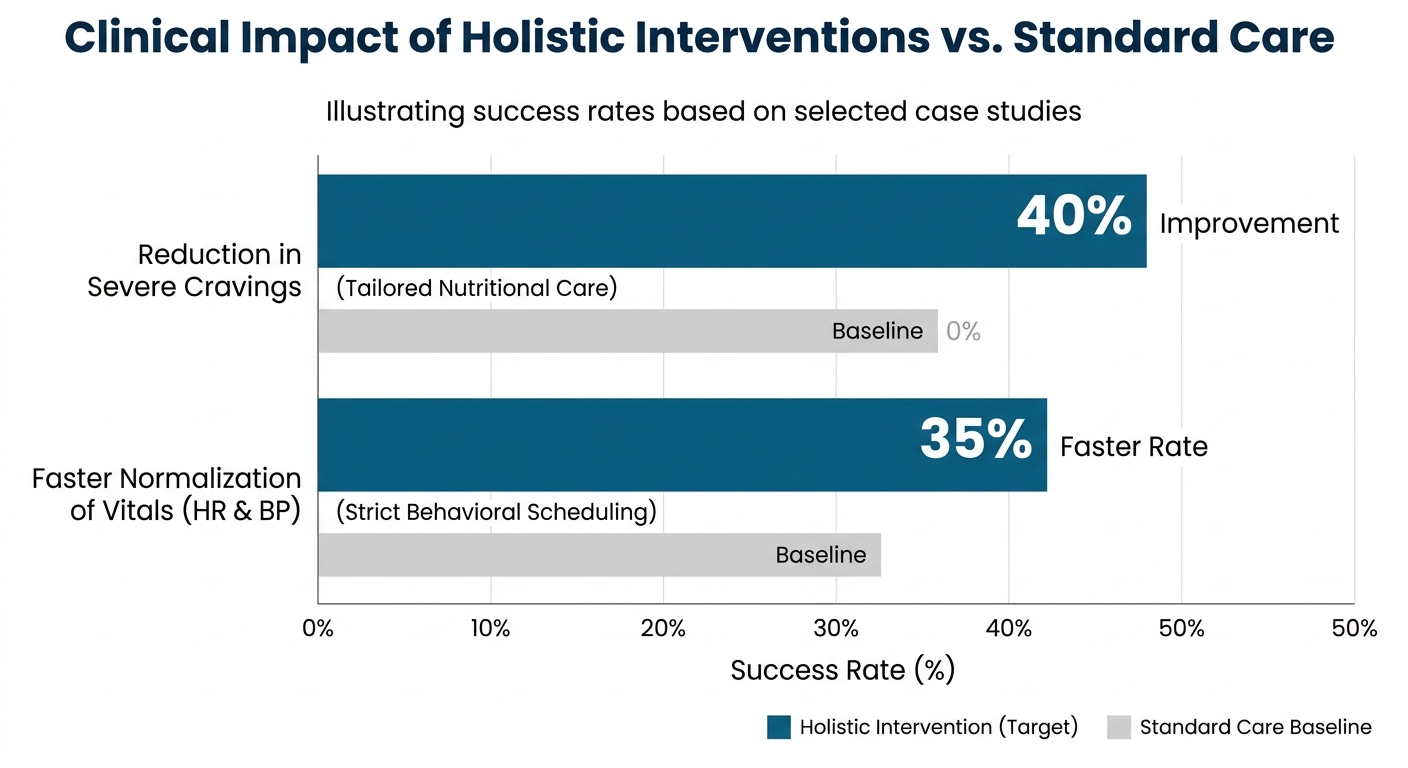
A pivotal study published in the Journal of Nutrition and Metabolism followed individuals recovering from severe alcohol use disorder. The experimental group received tailored diets high in amino acids, complex carbohydrates, and B-vitamins, alongside structured nutritional education. The results were remarkable: this group reported a 40% reduction in severe cravings after just 60 days compared to those on standard diets. Furthermore, they showed significantly lower rates of depression, directly correlating nutritional rehabilitation with mood stabilization. This research underscores a fundamental truth: feeding the body properly isn’t optional in recovery—it’s essential medicine that directly impacts relapse prevention and emotional stability.
From Chaos to Calm: How Daily Routines Rewire Recovery
Active addiction thrives on chaos and unpredictability. Life revolves around obtaining and using substances, with little regard for sleep schedules, meal times, or responsibilities. This chaotic existence keeps the brain in a constant state of stress, elevating cortisol levels and preventing genuine rest and recovery.
The Problem with Chaos
Early recovery without structure can feel overwhelming. Every decision—when to eat, what to do, how to spend time—becomes a potential trigger for decision fatigue. This cognitive exhaustion often leads directly to relapse, as the brain seeks relief through familiar patterns.
Reducing Decision Fatigue
Structured routines minimize cognitive load by establishing predictable patterns. Fixed meal times, scheduled therapy sessions, planned recreation, and consistent sleep schedules drastically lower cortisol levels. This predictability creates psychological safety, allowing the brain to heal without constant stress responses. When individuals don’t have to decide what to eat, when to sleep, or how to structure their day, mental energy becomes available for genuine therapeutic work. The brain can focus on processing emotions, building coping skills, and developing healthier thought patterns rather than navigating constant uncertainty.
Restoring the Circadian Clock
According to SAMHSA’s wellness framework, establishing regular sleep-wake cycles is critical for physical and mental health in recovery. Structured routines synchronize the body’s biological clock, enhancing natural melatonin production, improving memory consolidation during REM sleep, and stabilizing glucose metabolism. This circadian restoration reduces the severe energy crashes often mistaken for substance cravings. When blood sugar remains stable through regular, balanced meals, and sleep quality improves through consistent bedtimes, the physiological triggers for relapse diminish significantly.
Building Self-Efficacy Through Structure
Research published in Frontiers in Psychiatry examined patients in residential drug treatment placed on strict behavioral routines: 7:00 AM wake times, scheduled outdoor exercise, fixed meal schedules, and 10:00 PM lights-out policies. The findings were compelling: patients adhering to these routines experienced 35% faster normalization of vital signs like heart rate and blood pressure compared to those in unstructured outpatient programs. More importantly, structured patients reported significantly higher “self-efficacy” scores—a greater belief in their ability to maintain sobriety long-term. This confidence doesn’t emerge from willpower alone; it develops through repeatedly meeting structured expectations and experiencing the physiological benefits of stability.
Components of Effective Routine
Successful recovery routines typically include:
- Consistent wake times (e.g., 7:00 AM daily)
- Structured outdoor exercise and recreation in natural settings
- Fixed, nutritious meal schedules that stabilize blood sugar
- Scheduled therapy and group sessions that provide emotional support
- Consistent evening wind-down and lights-out (e.g., 10:00 PM)
This structure isn’t restrictive—it’s liberating. By removing chaos, individuals gain the mental space necessary for genuine healing and personal growth.
Why Holistic Residential Care Outperforms Traditional Models
The evolution of addiction treatment reveals a stark contrast between traditional medical models and modern holistic approaches—each with distinct strengths and limitations.
Traditional Model Limitations
Traditional addiction treatment primarily focuses on acute detoxification and symptom management. While these programs excel at life-saving medical intervention, they often fall short in long-term preparation:
- Minimal nutritional support: Standard institutional diets with little individualized nutritional counseling
- Loose structure: Limited organization outside intensive therapy hours
- Clinical environments: Hospital-like settings that can feel institutional rather than healing
- Higher PAWS relapse rates: Incomplete physiological healing leaves individuals vulnerable to post-acute withdrawal symptoms
These programs serve a crucial role in crisis intervention, but research shows they frequently fail to equip patients with the physiological and emotional resilience needed for sustained recovery.
Holistic Residential Advantages
Modern holistic programs address root causes through comprehensive mind-body-spirit integration: Individualized nutrition plans include education on food-mood connections, gut health restoration, and substance-specific dietary strategies. Residents learn practical skills for maintaining nutritional wellness beyond treatment. Highly regimented daily schedules integrate mindfulness practices, nutrition education, outdoor recreation, and various therapeutic modalities. This structure reduces decision fatigue while building healthy habits that transfer to independent living. Peaceful, nature-integrated environments like Oregon’s landscapes reduce environmental stress and promote healing. Research consistently demonstrates that natural settings lower cortisol levels, improve mood, and accelerate recovery. Comprehensive life-skills training prepares individuals for the practical challenges of independent sobriety, while physiological resilience building through nutrition and routine significantly lowers relapse rates compared to traditional models.
The Evidence
Analysis shows that while traditional models excel at immediate, life-saving detox, holistic programs provide superior outcomes for long-term recovery. The recognition that emotional regulation depends heavily on physical well-being has transformed treatment philosophy. You cannot stabilize someone’s mood without addressing their nutritional deficits, sleep patterns, and daily structure.
Pacific Ridge’s Approach
At Pacific Ridge, our Oregon location provides the peaceful, immersive setting necessary for disconnecting from environmental triggers and focusing entirely on comprehensive healing. We integrate evidence-based clinical nutrition education with structured daily routines that restore circadian rhythms and build sustainable life skills. This holistic approach addresses the whole person, creating the foundation for lasting transformation rather than temporary abstinence.
Building Your Foundation: Practical Steps for Holistic Healing
Whether you’re in residential treatment or navigating early recovery at home, these science-backed strategies can accelerate your healing and reduce relapse risk.
Nutritional Action Steps
Prioritize whole, unprocessed foods rich in essential nutrients. Focus on lean proteins, complex carbohydrates, colorful vegetables, and healthy fats. These provide the building blocks your brain and body need for repair. Include probiotic foods daily such as yogurt, kefir, sauerkraut, kimchi, or kombucha. These restore gut health and support serotonin production, directly improving mood stability. Add omega-3 sources like salmon, sardines, walnuts, flaxseeds, and chia seeds to your diet. These anti-inflammatory fats support brain healing and reduce systemic inflammation. Stay hydrated and limit caffeine and sugar, which can trigger mood swings and blood sugar crashes. Aim for at least eight glasses of water daily and choose herbal teas over coffee when possible. Consider working with a nutritionist specializing in addiction recovery. Professional guidance ensures you’re addressing your specific nutritional deficits effectively.
Routine-Building Strategies
Establish consistent wake and sleep times, even on weekends. This synchronizes your circadian rhythm, improving sleep quality and emotional regulation. Schedule meals at regular intervals to stabilize blood sugar. Aim for three balanced meals plus healthy snacks, eating at roughly the same times daily. Incorporate daily physical activity, preferably outdoors in natural settings. Even a 20-minute walk significantly reduces stress hormones and improves mood. Create morning and evening rituals that signal sleep-wake transitions. Morning rituals might include meditation, journaling, or yoga. Evening rituals could involve reading, gentle stretching, or gratitude practice. Minimize decision fatigue by planning the next day’s activities before bed. Layout clothes, prepare breakfast ingredients, and review your schedule to reduce morning stress.
Recovery Tip: The 7-10-3 Rule
Wake at 7 AM, lights out at 10 PM, and eat three balanced meals at consistent times. This simple framework synchronizes your circadian rhythm and stabilizes blood sugar—two critical factors in reducing cravings and improving mood.
Environmental Considerations
Seek peaceful, low-stress environments whenever possible. Reducing environmental chaos supports your internal healing process. Spend time in nature regularly. Research demonstrates that outdoor exposure reduces cortisol levels and improves mood, even in short increments. Remove environmental triggers associated with past substance use. This might mean changing routes home, avoiding certain locations, or rearranging living spaces.
When to Seek Residential Support
Consider residential treatment if:
- Implementing these strategies at home feels overwhelming
- You need intensive support to break the chaos cycle
- You’re experiencing severe PAWS symptoms interfering with daily functioning
- You need a complete environmental reset away from triggers
- Previous outpatient attempts haven’t provided lasting success
Residential programs like Pacific Ridge provide the immersive structure and comprehensive support necessary when self-directed recovery proves insufficient.
Final Thoughts
Nutrition and routine aren’t optional “wellness extras” in addiction recovery—they’re essential neurobiological interventions that accelerate healing and build lasting resilience. The science is clear: addiction inflicts severe physiological damage that requires targeted nutritional and behavioral interventions to repair. True recovery addresses the whole person—body, mind, and spirit—not just the absence of substance use. While stopping substance use is crucial, it’s only the beginning. Genuine transformation requires rebuilding the foundation of health through proper nutrition, structured routines, and supportive environments. The encouraging news? The brain and body possess remarkable healing capacity when given proper nutrition, structure, and support. Neural pathways can regenerate, neurotransmitter production can normalize, and circadian rhythms can restore. This healing isn’t instantaneous, but with comprehensive support, it’s absolutely achievable. At Pacific Ridge, we’ve witnessed this transformation countless times. Our peaceful Oregon setting, combined with clinical nutrition education and structured daily routines, provides the comprehensive framework necessary for lasting change. We understand that recovery isn’t just about stopping substance use—it’s about building a life worth living, and that begins with healing from the inside out.
Ready to Begin Your Healing Journey?
If you or a loved one is struggling with addiction and needs comprehensive, holistic treatment that addresses the whole person, Pacific Ridge offers evidence-based care in a peaceful, healing environment.
References:
- National Institute on Alcohol Abuse and Alcoholism (NIAAA). (2021). Alcohol’s Effects on the Body. https://www.niaaa.nih.gov/alcohols-effects-health/alcohols-effects-body
- National Institute of Neurological Disorders and Stroke (NINDS). (2023). Wernicke-Korsakoff Syndrome. https://www.ninds.nih.gov/health-information/disorders/wernicke-korsakoff-syndrome
- U.S. National Library of Medicine. (2022). Substance Use Recovery and Diet. https://medlineplus.gov/ency/article/002149.htm
- Hasler, B. P., Smith, L. J., Cousins, J. C., & Bootzin, R. R. (2012). Circadian Rhythms, Sleep, and Substance Abuse. https://www.ncbi.nlm.nih.gov/pmc/articles/PMC6296317/
- Sylvia, L. G., et al. (2013). Nutrition, Diet, and Substance Use Disorders. https://www.ncbi.nlm.nih.gov/pmc/articles/PMC2254394/
- Leclercq, S., et al. (2014). Role of Intestinal Permeability and Inflammation in the Biological and Behavioral Control of Alcohol-Dependent Subjects. https://www.ncbi.nlm.nih.gov/pmc/articles/PMC8706781/
- Oregon Health Authority (OHA). (2023). Public Health and Wellness in Behavioral Health. https://www.oregon.gov/oha/PH/PREVENTIONWELLNESS/NUTRITION/Pages/index.aspx
- Wiss, D. A. (2019). The Role of Nutrition in Addiction Recovery: What We Know and What We Don’t. https://www.ncbi.nlm.nih.gov/pmc/articles/PMC8541249/
- Sinha, R. (2008). Chronic Stress, Drug Use, and Vulnerability to Addiction. https://www.ncbi.nlm.nih.gov/pmc/articles/PMC2732004/
- Substance Abuse and Mental Health Services Administration (SAMHSA). (2016). Creating a Healthier Life: A Step-By-Step Guide To Wellness. https://store.samhsa.gov/sites/default/files/d7/priv/sma16-4958.pdf
- National Institute on Drug Abuse (NIDA). (2020). Principles of Drug Addiction Treatment: A Research-Based Guide. https://nida.nih.gov/publications/principles-drug-addiction-treatment-research-based-guide-third-edition
- White, W. L. (2012). Recovery/Remission from Substance Use Disorders: An Analysis of Reported Outcomes in 415 Scientific Reports. https://www.ncbi.nlm.nih.gov/pmc/articles/PMC5521406/
- Grotzkyj-Giorgi, M. (2009). Nutrition and Addiction—Can Dietary Changes Assist with Recovery? https://www.ncbi.nlm.nih.gov/pmc/articles/PMC6179022/
- Brooks, A. T., & Wallen, G. R. (2014). Sleep Disturbances in Individuals with Alcohol-Related Disorders. https://www.ncbi.nlm.nih.gov/pmc/articles/PMC4104000/
Posted in Treatment
Are you looking for help?
Pacific Ridge is a residential drug and alcohol treatment facility about an hour from Portland, Oregon, on the outskirts of Salem. We’re here to help individuals and families begin the road to recovery from addiction. Our clients receive quality care without paying the high price of a hospital. Most of our clients come from Oregon and Washington, with many coming from other states as well.
Pacific Ridge is a private alcohol and drug rehab. To be a part of our treatment program, the client must voluntarily agree to cooperate with treatment. Most intakes can be scheduled within 24-48 hours.
Pacific Ridge is a State-licensed detox and residential treatment program for both alcohol and drugs. We provide individualized treatment options, work closely with managed care organizations, and maintain contracts with most insurance companies.
Quick links
Recent Posts
Contact Us
Pacific Ridge- 1587 Pacific Ridge Ln SE
Jefferson, OR 97352 - Email:
[email protected] - Phone:
503-506-0101 - Fax:
503-581-8292

- Copyright © 2026 Pacific Ridge - All Rights Reserved. Web Design & SEO by Lithium
- Follow us on