
Call Us For Easy
Confidential Assistance
503-506-0101
It only takes 5 minutes to get started
Understanding Medication-Assisted Treatment (MAT) During Inpatient Detox
Posted on: July 2nd, 2026 by writer
Table of Contents
- Why MAT Represents a Paradigm Shift in Addiction Treatment
- Demystifying Detox Medications: The Pharmacology That Saves Lives
- 24/7 Medical Monitoring: Why Inpatient Detox Offers Unmatched Safety and Success
- From Clinical Trials to Real Lives: The Proven Efficacy of MAT
- Separating Fact from Fiction: Common Questions About MAT
- Taking the First Step Toward Recovery
For individuals grappling with Alcohol Use Disorder (AUD) or Opioid Use Disorder (OUD), the fear of acute withdrawal is consistently cited as one of the most significant barriers to seeking help. The excruciating physical and psychological distress known as “dope sickness” keeps too many people trapped in active addiction, paralyzed by the thought of what they’ll face if they try to stop. Here in Oregon, this fear is magnified by the severity of our regional crisis. Oregon has experienced a devastating escalation in opioid-related issues, with overdose deaths surging by approximately 600% between 2000 and 2021, largely driven by illicit fentanyl. Nearly 12% of Oregon adults meet criteria for AUD—higher than the national average of 10%. Yet despite this high prevalence, less than 20% of Americans with substance use disorders receive specialized treatment. At Pacific Ridge, we understand that the barrier isn’t a lack of desire for recovery—it’s the overwhelming fear of what comes first. That’s why our medically supervised inpatient detox program utilizes Medication-Assisted Treatment (MAT): FDA-approved medications combined with 24/7 medical monitoring to ensure your safety and comfort during the most vulnerable phase of recovery. This article demystifies MAT, explaining the science behind these life-saving medications, their safety profiles, and why inpatient settings like Pacific Ridge offer unmatched advantages for successful detox completion. If you’ve been putting off treatment because you’re afraid of withdrawal, this information could change everything.
Why MAT Represents a Paradigm Shift in Addiction Treatment
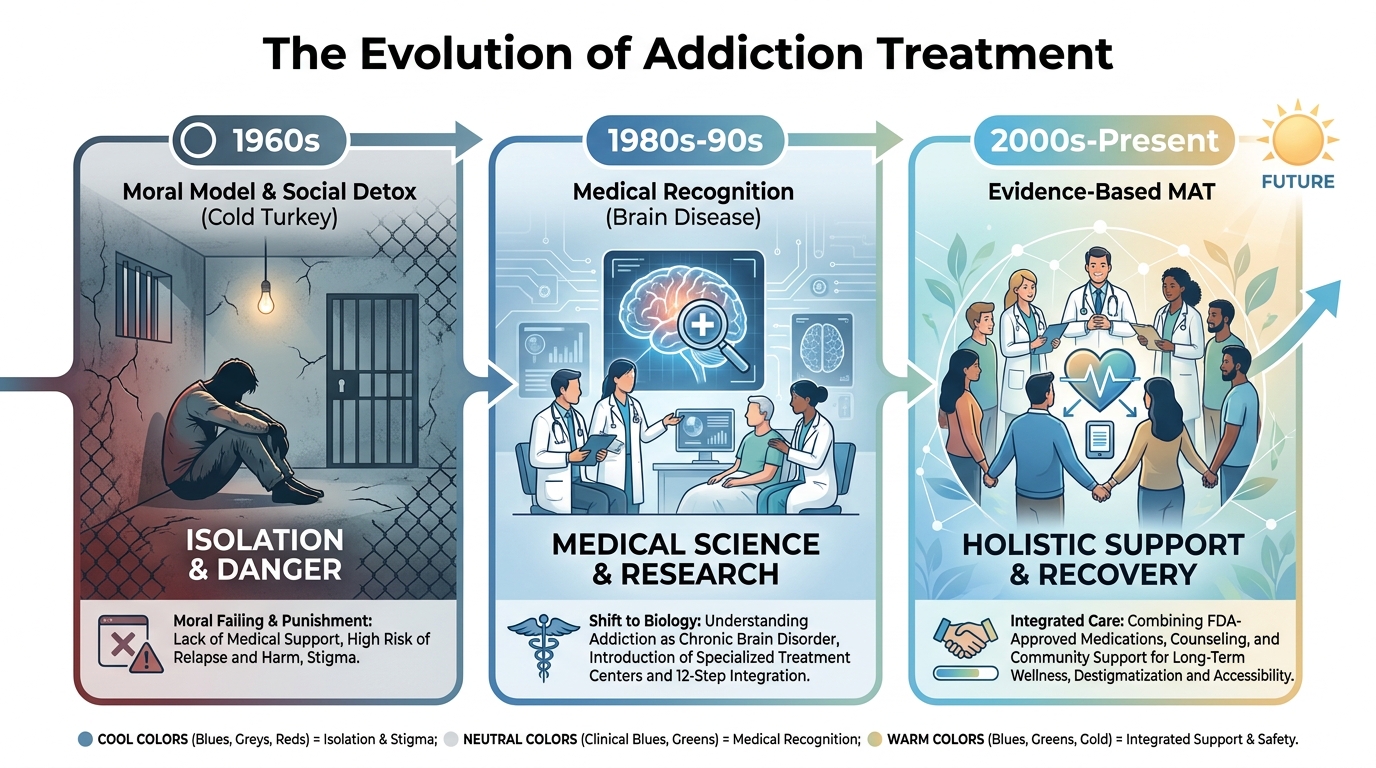
Understanding why Medication-Assisted Treatment is so revolutionary requires looking at where we came from. For most of the 20th century, addiction wasn’t viewed as a medical condition—it was seen as a moral failing, a weakness of character that required willpower to overcome.
The “Cold Turkey” Era and Its Consequences
The traditional approach to detoxification was brutally simple: confine patients to a room and force them to endure severe withdrawal without medical intervention. This “cold turkey” or “social detox” method was rooted in the belief that suffering was part of the punishment—and redemption—for having become addicted in the first place.
The consequences of this approach were devastating:
- Alarmingly high rates of patients leaving treatment Against Medical Advice (AMA), unable to tolerate the suffering
- Life-threatening complications, including withdrawal seizures and Delirium Tremens (a potentially fatal condition caused by alcohol withdrawal)
- Unnecessary psychological trauma that increased the likelihood of immediate relapse
- Perpetuation of shame and stigma that prevented people from seeking help
The Medical Model Emerges
Everything changed when major medical bodies—including the American Medical Association and the American Society of Addiction Medicine—officially recognized addiction as a chronic brain disease requiring medical intervention, not moral judgment. This paradigm shift opened the door for Medication-Assisted Treatment. SAMHSA defines MAT as “the use of FDA-approved medications, in combination with counseling and behavioral therapies, to provide a whole-patient approach to substance use disorders.”
Key Principle: MAT doesn’t “replace one drug with another.” Instead, it stabilizes brain chemistry, blocks euphoric effects, relieves cravings, and normalizes body functions to allow healing to begin. It’s the difference between forcing someone to swim across a raging river or building them a bridge.
Modern Clinical Consensus
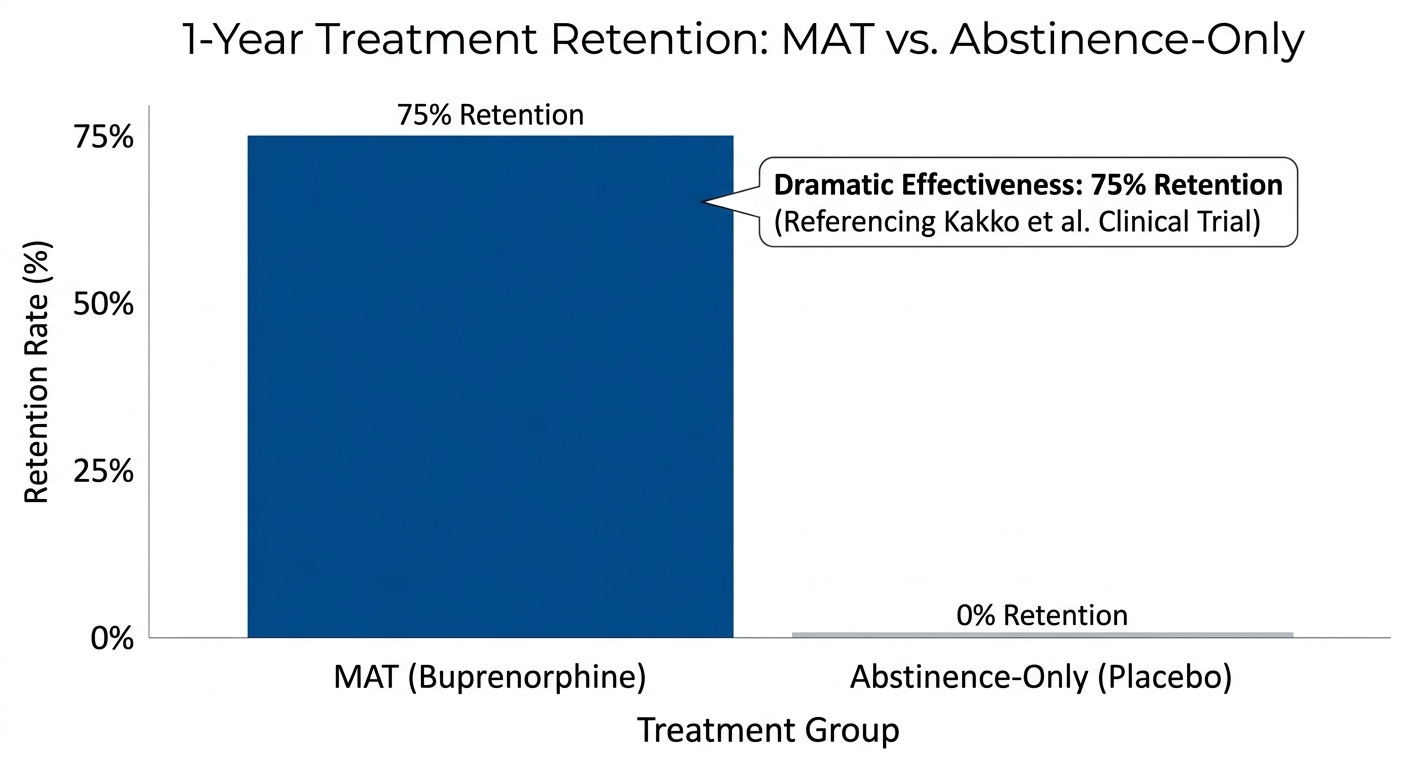
Today, MAT is recognized as the gold standard for managing physical dependence. The evidence is overwhelming: studies show 75% treatment retention at one year for patients receiving MAT versus 0% for abstinence-only approaches. When we remove the barrier of unbearable withdrawal, patients can focus on the real work of recovery.
Demystifying Detox Medications: The Pharmacology That Saves Lives
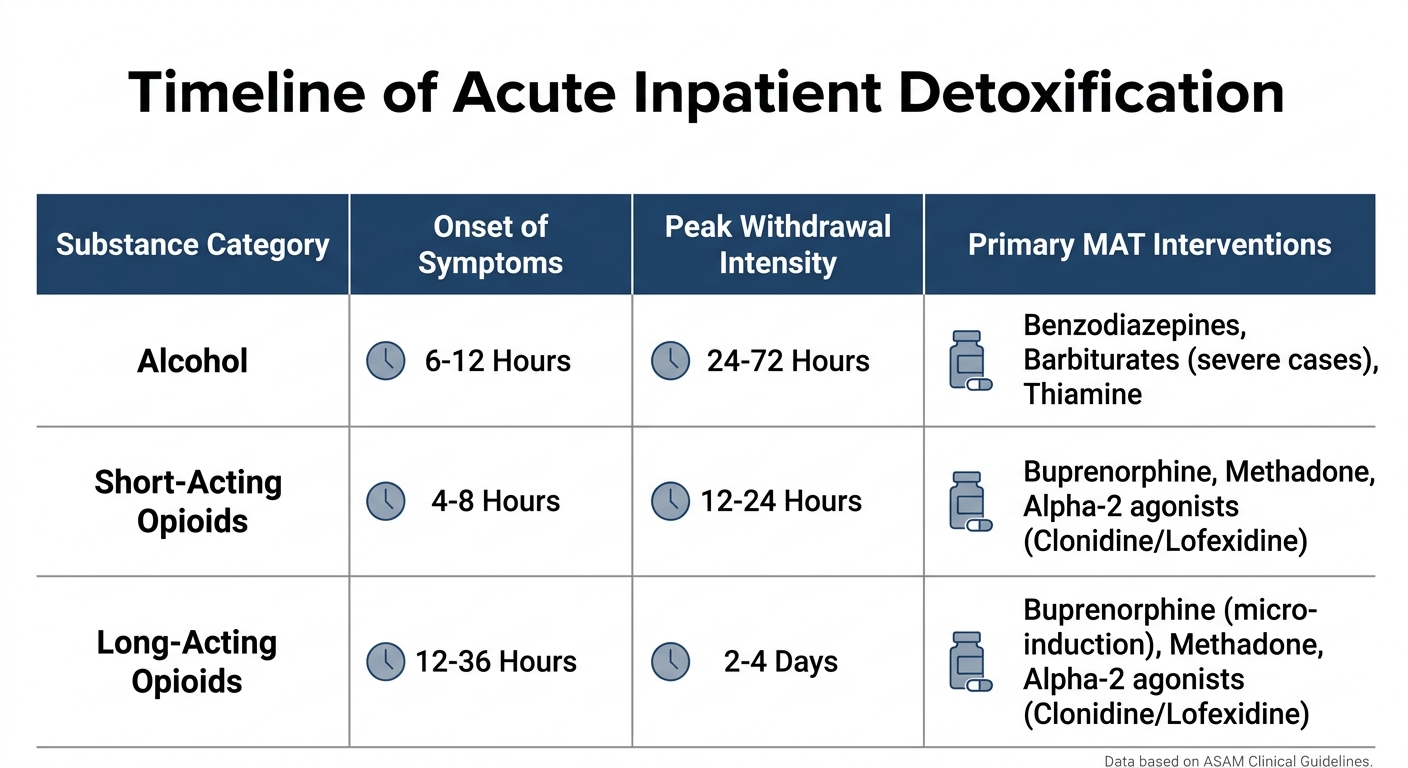
One of the most common questions we hear at Pacific Ridge is: “What medications will I receive, and how do they work?” Understanding the science behind MAT removes much of the fear and builds trust in the process.
Alcohol Detoxification: Why Medical Supervision Is Life-Saving
Alcohol withdrawal isn’t just uncomfortable—it can be deadly. When someone who has been drinking heavily for an extended period suddenly stops, their central nervous system goes into overdrive. Without the depressant effects of alcohol, the brain experiences severe overstimulation, leading to autonomic hyperactivity.
Benzodiazepines: The Front-Line Treatment
Medications like Diazepam (Valium), Chlordiazepoxide (Librium), and Lorazepam (Ativan) are the cornerstone of safe alcohol detox. These benzodiazepines act on the same GABA receptors in the brain that alcohol affects, effectively preventing the life-threatening complications of withdrawal, including seizures and Delirium Tremens. At Pacific Ridge, our medical team uses the CIWA-Ar (Clinical Institute Withdrawal Assessment for Alcohol) scale to provide symptom-triggered dosing. This means you receive medication exactly when your body needs it—not on a rigid schedule that might under-treat or over-medicate.
Supporting Medications
In addition to benzodiazepines, our physicians may prescribe:
- Beta-blockers like Propranolol to lower blood pressure and heart rate
- Alpha-2 agonists like Clonidine to reduce tremors and anxiety
- Anti-nausea medications and electrolyte support to manage physical discomfort
Opioid Detoxification: Ending the Cycle of “Dope Sickness”
While opioid withdrawal is generally not fatal like alcohol withdrawal, the physical and psychological misery—often called “dope sickness”—is so severe that many people relapse just to make it stop. Symptoms include excruciating muscle aches, insomnia, vomiting, diarrhea, severe anxiety, and an overwhelming sense of hopelessness.
Buprenorphine: The Game-Changing Medication
Buprenorphine (found in medications like Suboxone and Subutex) has revolutionized opioid detox. As a partial opioid agonist, buprenorphine binds to the brain’s opioid receptors, relieving withdrawal symptoms and cravings without producing the euphoric “high” associated with full opioids.
Critical Safety Feature: Buprenorphine has a ceiling effect, meaning there’s a limit to its effects even at higher doses. This drastically lowers the risk of overdose and respiratory depression, making it remarkably safe when administered under medical supervision.
Methadone for Severe Cases
For patients with extremely high tolerance—particularly those dependent on fentanyl—methadone (a full opioid agonist) may be used during the acute detox phase to manage severe withdrawal symptoms safely.
Non-Opioid Options
In 2018, the FDA approved Lofexidine (Lucemyra) as the first non-opioid medication specifically for opioid withdrawal management. Along with Clonidine, these medications reduce the autonomic symptoms of withdrawal—chills, sweating, rapid heart rate—making the process significantly more tolerable. Our medical team uses the COWS (Clinical Opiate Withdrawal Scale) to continuously monitor withdrawal severity and adjust medications in real-time, ensuring maximum comfort and safety.
24/7 Medical Monitoring: Why Inpatient Detox Offers Unmatched Safety and Success
While MAT can technically be administered in outpatient settings, there are profound clinical advantages to receiving these medications in a medically supervised inpatient environment like Pacific Ridge. The difference can literally be life-saving.
Continuous Medical Supervision
At Pacific Ridge, you’re never alone during detox. Our medical team provides:
- 24/7 monitoring of vital signs using standardized clinical assessment tools
- Real-time medication titration based on your immediate physiological response
- Immediate intervention if complications arise, including seizures, severe hypertension, or cardiac issues
- Nursing staff trained specifically in addiction medicine and withdrawal management
This level of care simply isn’t possible in an outpatient setting, where you might see a doctor for 15 minutes and then be sent home to manage withdrawal on your own.
Managing Polysubstance Dependencies
The reality is that many patients don’t have a single substance dependency—they present with multiple dependencies. Someone might be dependent on both alcohol and cocaine, or opioids and benzodiazepines. Polysubstance detox is highly unpredictable and far too dangerous to manage outside a hospital-level setting. Our inpatient medical team has specialized protocols for these complex cases, carefully managing the interaction between different withdrawal syndromes and ensuring medications don’t adversely interact.
Environmental Separation and Safety
One of the most underappreciated aspects of inpatient detox is environmental separation. At Pacific Ridge, you’re removed from:
- Triggers and high-risk environments that prompt substance use
- Easy access to drugs or alcohol during the vulnerable early days
- Relationships or situations that might sabotage your recovery
This safe, supportive environment dramatically lowers the risk of early relapse and allows healing to begin before you transition to residential rehabilitation.
The Outcomes Speak for Themselves
| Setting | Detox Completion Rate | Serious Complications |
|---|---|---|
| Inpatient with MAT | 85-95% | Near-zero incidence |
| Outpatient | 40-60% | Moderate risk |
| Unsupervised (“Cold Turkey”) | 5-15% | High risk of seizures, DTs |
Studies consistently show significantly higher detox completion rates in inpatient settings where MAT is properly administered. Research published by the NIH found near-zero incidence of withdrawal seizures and Delirium Tremens when benzodiazepines are administered via symptom-triggered protocols in inpatient settings. Furthermore, symptom-triggered benzodiazepine therapy reduced total detox duration by an average of 22 hours compared to fixed-dosing schedules. When you choose Pacific Ridge, you’re not just choosing medication—you’re choosing a comprehensive system of care designed to give you the highest possible chance of success.
From Clinical Trials to Real Lives: The Proven Efficacy of MAT
The power of MAT isn’t theoretical—it’s backed by decades of rigorous clinical research and real-world outcomes that have transformed countless lives.
Case Study: Lofexidine’s Impact on Opioid Detox Completion
In a pivotal double-blind, placebo-controlled study evaluated by the FDA, researchers examined patients undergoing inpatient opioid detox. Half received Lofexidine (a non-opioid withdrawal management medication), while the other half received a placebo. The results were striking. Patients receiving Lofexidine reported significantly lower Clinical Opiate Withdrawal Scale (COWS) scores—meaning they experienced far less physical and psychological distress. More importantly, the completion rate for the 7-day inpatient detox was significantly higher in the medication group.
The Takeaway: When we alleviate the unbearable physiological distress of withdrawal, patients are empowered to complete detox and successfully transition into rehabilitation.
Case Study: Benzodiazepine Protocols in Severe Alcohol Use Disorder
A clinical review published by the National Institutes of Health examined the efficacy of symptom-triggered benzodiazepine therapy in inpatient settings for patients with severe Alcohol Use Disorder. The findings validated what we see every day at Pacific Ridge:
- Near-zero incidence of withdrawal seizures and Delirium Tremens
- Nurses using the CIWA-Ar scale provided medication exactly when needed
- Average detox duration reduced by 22 hours compared to fixed-dosing schedules
- Patients reported feeling safe and supported throughout the process
Case Study: Long-Term Retention Rates
Perhaps the most compelling evidence comes from a landmark study published in The Lancet. Researchers followed patients receiving buprenorphine-assisted treatment for heroin dependence versus those receiving only psychosocial therapy (the abstinence-only approach). The results were dramatic: 75% of patients receiving MAT remained in treatment at one year, compared to 0% retention in the abstinence-only group. This isn’t just about surviving detox—it’s about building a foundation for long-term recovery. MAT doesn’t just help patients get through the acute withdrawal phase; it dramatically improves their chances of staying engaged in treatment and rebuilding their lives.
Separating Fact from Fiction: Common Questions About MAT
Despite overwhelming evidence supporting MAT, misconceptions persist. Let’s address the most common concerns we hear from prospective patients and their families.
“Isn’t MAT Just Replacing One Drug with Another?”
This is the most frequent objection we encounter, and it’s rooted in a fundamental misunderstanding of how MAT medications work. The fact is: MAT medications are FDA-approved, carefully dosed, and administered under strict medical supervision. Unlike illicit substances, these medications don’t produce euphoria or intoxication. Instead, they stabilize brain chemistry that has been altered by chronic substance use. The goal isn’t to get you “high”—it’s to normalize your neurochemistry so you can function, think clearly, and engage in therapy. It’s no different than a diabetic taking insulin or someone with hypertension taking blood pressure medication.
“Will I Become Dependent on Detox Medications?”
Detox medications are used short-term during the acute withdrawal phase. For alcohol withdrawal, benzodiazepines are typically tapered over 3-7 days. For opioid withdrawal, stabilization medications may continue longer, but this is evidence-based harm reduction. Some patients do benefit from longer-term maintenance on medications like buprenorphine, but this isn’t “dependency” in the harmful sense—it’s ongoing medical management of a chronic condition. Research shows that maintenance MAT dramatically reduces overdose risk and improves quality of life. Our medical team ensures proper tapering protocols when it’s clinically appropriate, always prioritizing your safety and long-term recovery.
“Is MAT Safe?”
All MAT medications used at Pacific Ridge are FDA-approved with extensive safety data spanning decades. When administered in an inpatient setting with continuous medical monitoring, the risk of complications is extraordinarily low—far lower than attempting unsupervised withdrawal.
Consider this: The risk of fatal seizures during unmanaged alcohol withdrawal can be as high as 15%. In medically supervised inpatient settings using proper benzodiazepine protocols, that risk drops to near zero.
“I Should Be Able to Do This on Willpower Alone”
This belief is perhaps the most dangerous misconception, because it keeps people from seeking the help they need. Addiction is a medical condition affecting brain chemistry—it’s not a moral failing or a lack of willpower. Major medical organizations including the American Medical Association and the American Society of Addiction Medicine officially recognize addiction as a chronic disease requiring medical treatment. Using medication for detox doesn’t make you weak—it makes you smart. It shows that you’re serious about recovery and willing to use every available tool to succeed. There’s no honor in suffering needlessly, and there’s tremendous courage in asking for help.
Taking the First Step Toward Recovery
If you’ve read this far, you’ve already taken an important step: educating yourself about the medical realities of withdrawal and the proven interventions that can help. The fear of “dope sickness” or life-threatening alcohol withdrawal has kept too many people trapped in active addiction for too long. But here’s the truth: You don’t have to face withdrawal alone. You don’t have to endure unnecessary suffering. Medical science has provided safe, effective tools to transform the most difficult phase of recovery from unbearable to manageable. At Pacific Ridge, serving Portland, Salem, and communities throughout Oregon and the Pacific Northwest, we offer medically supervised detox utilizing evidence-based MAT protocols. Our approach combines:
- 24/7 medical monitoring by addiction medicine specialists
- FDA-approved medications tailored to your specific needs
- Compassionate, judgment-free care that treats you with dignity
- A safe environment where healing can begin
- Seamless transition to residential rehabilitation when you’re ready
This isn’t just treatment—it’s a bridge from fear to hope, from active addiction to the possibility of a different life.
You Deserve Compassionate, Evidence-Based Care
If you or someone you love is struggling with alcohol or opioid dependence, Pacific Ridge is here to help. Our medically supervised detox program uses evidence-based MAT protocols to ensure your safety and comfort during the most vulnerable phase of recovery.
You deserve medical care, not moral judgment. You deserve compassion, not condemnation. You deserve a chance at recovery that’s built on science, not suffering.
Visit us at https://alcoholismtreatment.com/ or call 503-506-0101 to speak with an admissions specialist who understands what you’re going through and can answer your questions with honesty and care.
References:
- National Institute on Drug Abuse (NIDA). (2022). The Neurobiology of Drug Addiction and Withdrawal. https://nida.nih.gov/publications/drugs-brains-behavior-science-addiction/drugs-brain
- Oregon Health Authority (OHA). (2023). Opioid Overdose Public Health Data and Reporting. https://www.oregon.gov/oha/ph/preventionwellness/substanceuse/opioids/pages/data.aspx
- Substance Abuse and Mental Health Services Administration (SAMHSA). (2022). National Survey on Drug Use and Health (NSDUH) State Estimates: Oregon. https://www.samhsa.gov/data/nsduh/state-reports-NSDUH-2022
- Substance Abuse and Mental Health Services Administration (SAMHSA). (2023). Key Substance Use and Mental Health Indicators in the United States. https://www.samhsa.gov/data/release/2022-national-survey-drug-use-and-health-nsduh-releases
- White, W. L. (2014). Slaying the Dragon: The History of Addiction Treatment and Recovery in America. https://www.ncbi.nlm.nih.gov/pmc/articles/PMC4152944/
- Substance Abuse and Mental Health Services Administration (SAMHSA). (2024). Medications, Counseling, and Related Conditions. https://www.samhsa.gov/medications-substance-use-disorders
- National Library of Medicine (NCBI). (2015). Management of Alcohol Withdrawal Syndrome. https://www.ncbi.nlm.nih.gov/pmc/articles/PMC4978420/
- National Institute on Drug Abuse (NIDA). (2021). Buprenorphine. https://nida.nih.gov/publications/research-reports/medications-to-treat-opioid-addiction/efficacy-medications-for-opioid-use-disorder
- U.S. Food and Drug Administration (FDA). (2018). FDA approves the first non-opioid treatment for management of opioid withdrawal symptoms in adults. https://www.fda.gov/news-events/press-announcements/fda-approves-first-non-opioid-treatment-management-opioid-withdrawal-symptoms-adults
- American Society of Addiction Medicine (ASAM). (2020). The ASAM Clinical Practice Guideline on Alcohol Withdrawal Management. https://www.asam.org/quality-care/clinical-guidelines/alcohol-withdrawal-management
- National Center for Biotechnology Information (NCBI). (2013). Detoxification and Substance Abuse Treatment: Settings, Levels of Care, and Patient Placement. https://www.ncbi.nlm.nih.gov/books/NBK64109/
- Kakko, J., et al. (2003). 1-year retention and social function after buprenorphine-assisted relapse prevention treatment for heroin dependence in Sweden: a randomised, placebo-controlled trial. The Lancet. https://pubmed.ncbi.nlm.nih.gov/12606177/
- Cassidy, E. M., et al. (2012). Symptom-triggered benzodiazepine therapy for alcohol withdrawal syndrome in the general hospital. https://www.ncbi.nlm.nih.gov/pmc/articles/PMC3830154/
Posted in Treatment
Are you looking for help?
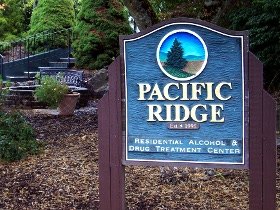
Pacific Ridge is a residential drug and alcohol treatment facility about an hour from Portland, Oregon, on the outskirts of Salem. We’re here to help individuals and families begin the road to recovery from addiction. Our clients receive quality care without paying the high price of a hospital. Most of our clients come from Oregon and Washington, with many coming from other states as well.
Pacific Ridge is a private alcohol and drug rehab. To be a part of our treatment program, the client must voluntarily agree to cooperate with treatment. Most intakes can be scheduled within 24-48 hours.
Pacific Ridge is a State-licensed detox and residential treatment program for both alcohol and drugs. We provide individualized treatment options, work closely with managed care organizations, and maintain contracts with most insurance companies.
Quick links
Recent Posts
Contact Us
Pacific Ridge- 1587 Pacific Ridge Ln SE
Jefferson, OR 97352 - Email:
[email protected] - Phone:
503-506-0101 - Fax:
503-581-8292

- Copyright © 2026 Pacific Ridge - All Rights Reserved. Web Design & SEO by Lithium
- Follow us on